














Akwa Ibom South Indigenes Decry Political Hijack of Lagos - Calabar Coastal Highway Route, Back Ibeno Alignment
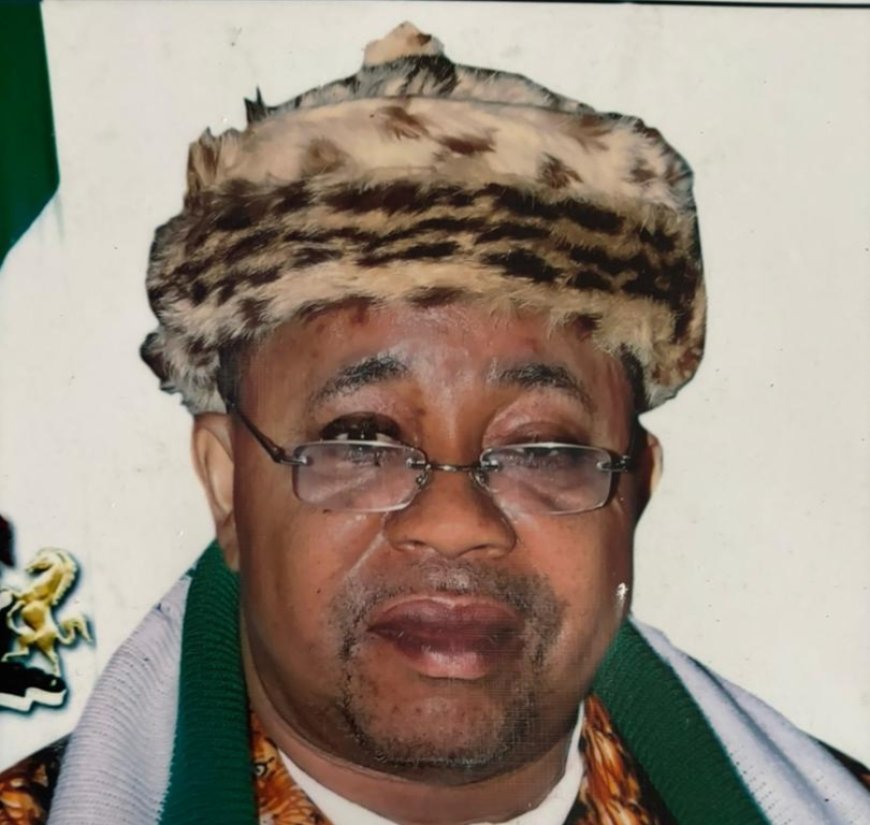
By Imoh Essien (Uyo)
Indigenes of Akwa Ibom South Senatorial District have raised a strong protest over what they describe as the “political manipulation” of the original design and alignment of the Akwa Ibom section of the Lagos–Calabar Coastal Highway, warning that the current route deviates dangerously from the project’s founding vision.
In a statement circulated across coastal communities, leaders, professionals and youth groups from the district said the highway, conceived as a strategic national coastal corridor, was deliberately designed to trace Nigeria’s Atlantic shoreline, stimulate coastal economies, enhance maritime commerce, promote tourism and strengthen climate resilience.
They noted that, in its proper sense, a coastal highway must remain intrinsically connected to the coastline it is meant to serve — not merely in name, but in purpose, engineering logic and socioeconomic impact.
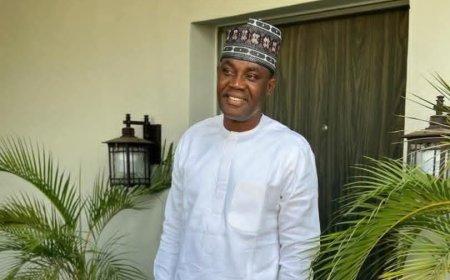
According to a statement by Emem Benson, Esq., on behalf of the indigenes in Uyo on Sunday, the western segment of the project, particularly the Lagos–Ogun axis, reflects this vision, as its alignment remains genuinely coastal and directly engages shoreline communities and industries.
However, the same, they said, cannot be said of the Akwa Ibom segment currently under construction.
“Instead of following the coastal belt, the alignment veers far inland, away from Akwa Ibom’s shoreline and maritime communities. What is being delivered is not a coastal highway but an inland road wrongly branded as one,” the statement said.
They questioned why a project justified on the basis of coastal integration would avoid the coastline in one of Nigeria’s most naturally endowed coastal states.
“Why should the communities meant to be direct beneficiaries be bypassed entirely?
Why should the core objectives of national integration, tourism, maritime development and coastal resilience be selectively applied?” they asked.
To the indigenes, the answers appear less technical and more political alleging that, what began as a bold and well-intentioned national infrastructure project has now been distorted to serve narrow and parochial interests, at the expense of equity, transparency and sound development planning.
The group warned that, the consequences of the deviation are severe: coastal communities are denied infrastructure meant to transform their livelihoods; opportunities for blue-economy growth are lost; climate-resilience planning is weakened; and public trust in national projects is eroded.
Despite their protest, the people reaffirmed their strong support for the Lagos–Calabar Coastal Highway and its potential to unlock jobs, boost tourism, expand trade and attract investment to the Niger Delta coastline.
They specifically expressed the full backing of the Ibeno people, who, they said, are ready to host and protect the project if the alignment is restored to the coastline.
“The Ibeno axis offers the most natural and economically viable coastal route in Akwa Ibom. Its inclusion will guarantee direct benefits to fishing communities, hospitality businesses, oil and gas support services and emerging maritime industries,” the statement noted.
The indigenes therefore called on the Federal Government and project authorities to urgently review the Akwa Ibom alignment and return it to the coast in line with the project’s original objectives.
"We call on the Minister of Works, Engr. David Umahi to intervene in restoring the project to its original concept
"We also appeal to the Minister to ignore those rejecting the original plan to their ignorance and selfihness.
“If this highway is to retain legitimacy, its alignment must be guided by principle, professional judgment and national interest, not political expediency,” they said.
“A genuine coastal highway must be coastal in all its sections. Anything less is a betrayal of both the project’s founding vision and the people it was meant to serve", they stated.