




























WHEN GOVERNORS PREFER STATE POLICE TO STATE ELECTRICITY

Sincerely speaking, if states were serious about investments in the electricity sector, the frequent and shameful collapse of the national grid would have been a thing of the past rather than a recurring ritual of darkness. Each plunge into blackout is a public reminder that while laws may change, lethargy often lingers. The irony is that the legal leverage to do better already exists, yet enthusiasm for using it appears to have short-circuited.
In June 2023, President Bola Ahmed Tinubu signed the Electricity Act, 2023 into law in Abuja, repealing the Electric Power Sector Reform Act of 2005 and, at long last, dismantling the rigid central monopoly over electricity. The new law empowered state governments to generate, transmit, and distribute electricity within their territories, either independently or in collaboration with the private sector. The intent was clear and compelling: decentralise power, reduce pressure on the fragile national grid, attract investment, and allow states to design solutions suited to their specific economic and geographic realities. This was not legislative charity. Rather, it was economic common sense. Nigeria’s overburdened national grid had become notorious for its fragility, collapsing with embarrassing frequency and plunging homes, hospitals, and industries into sudden silence. The Electricity Act was meant to end this farce by encouraging multiple grids, diverse energy sources, and competitive investments. In theory, states could now light up their cities, power their industries, and insulate themselves from nationwide failure.
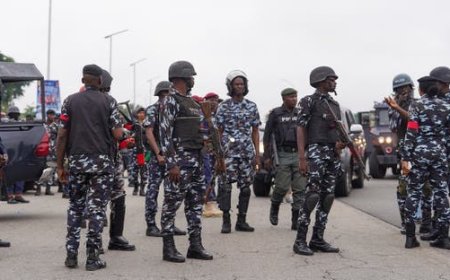
Sadly, yet, nearly two years on, many governors appear more captivated by the clatter of boots than the quiet competence of kilowatts. State police dominates political conversations, conferences, and communiqués, while state-owned power projects remain stuck in speeches rather than substations. One might assume electricity is optional, a decorative luxury, rather than the dull but decisive driver of development.
The preference is puzzling. Electricity is not glamorous, but it is transformative. It powers factories, preserves farm produce, supports digital businesses, and extends commercial life well beyond sunset. It illuminates streets, deters crime, and improves security more reliably than rhetoric ever could. Investors, famously allergic to diesel generators and darkness, follow stable power with almost religious devotion. Where electricity flows, enterprise follows; where it fails, poverty patiently waits.
State police, on the other hand, offers instant optics. It sounds assertive, sovereign, and swift. It promises control in a country frustrated by insecurity. But policing an economy starved of power is like guarding an empty warehouse. There is little to protect and even less to grow. Without electricity-driven jobs and industries, security becomes an endless, expensive pursuit of symptoms rather than solutions.
To be fair, electricity investment is demanding. It requires technical expertise, long-term planning, regulatory clarity, and political discipline. It does not reward impatience or perform well in campaign slogans. But it delivers enduring prosperity, which is something far more valuable than applause.
The Electricity Act of 2023 handed states a historic opportunity to rewrite their economic stories and finally retire the national grid from its role as a national embarrassment. The law answered the “who,” “when,” and “how.” What remains unanswered is the “why not.” Until governors decide that power plants matter more than photo ops, the grid will keep collapsing, the generators will keep growling, and the promise of true federalism will remain, quite literally, in the dark.
Anthony Ekpo Bassey, PhD, teaches Journalism at the University of Calabar, Cross River State.