



























LEVERAGING CORPORATE SOCIAL RESPONSIBILITY AS A DEVELOPMENT DRIVER IN CROSS RIVER STATE

Corporate social responsibility has steadily shifted from symbolic philanthropy to a strategic social solution capable of stimulating employment, supporting social services and strengthening community stability. When deliberately leveraged, the resources, reach and responsibility of companies, organisations and enterprises can directly address youth unemployment and infrastructure deficits while simultaneously protecting corporate reputations and promoting sustainable development. The essence of effective CSR lies in aligning profit with purpose, allowing business growth to go hand in hand with people-centred progress.
Across the world and within Nigeria, there is clear evidence that well-designed CSR initiatives can deliver jobs and amenities that governments alone often struggle to provide. In Nigeria’s cement sector, Lafarge Africa has implemented community development programmes in host communities such as Mfamosing in Cross River State and Ewekoro in Ogun State, combining skills training, local hiring policies, health centres, water projects and educational support. These interventions have translated into direct employment opportunities for youths and indirect livelihoods for artisans, transporters and small suppliers. Similarly, Dangote Group’s backward integration projects in agriculture and manufacturing have generated thousands of jobs in states like Kogi, Adamawa and Nasarawa, while also supporting roads, clinics and schools in surrounding communities. These examples demonstrate that when CSR is connected to core business operations, it becomes continuous rather than charitable, productive rather than peripheral.
Internationally, the same pattern is evident. Unilever’s Sustainable Living Plan has combined youth employability programmes with community infrastructure investments across parts of Africa and Asia, leading to improved incomes and access to basic services. In India, Tata Group’s long-standing CSR model has helped establish schools, hospitals and vocational institutes that consistently feed skilled youths into local industries. These successes share common features: strong community engagement, skills-focused strategies and sustained funding rather than sporadic gestures. Where CSR has failed, it is often due to poor planning, lack of community consultation or projects that are publicity-driven instead of problem-driven.
To make CSR more effective, companies must move from scattered social spending to structured social stewardship. Youth employment programmes should prioritise practical training, apprenticeships and enterprise support that reflect local economic realities. Community amenities such as water systems, health facilities and power solutions should be designed for durability and local ownership. Transparency, tracking and impact measurement are also essential, ensuring that CSR promises produce palpable progress. Most importantly, collaboration between the private sector, government and community leaders helps avoid duplication, deepen trust and deliver development that is both inclusive and enduring.
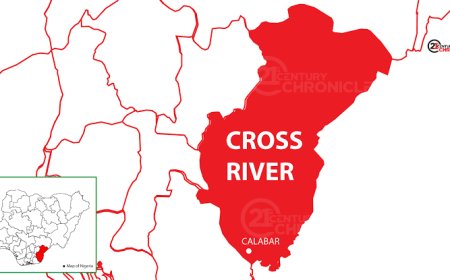
For the Cross River State Government, deploying CSR as a development driver is not only desirable but necessary. The state hosts extractive, manufacturing, hospitality and agribusiness enterprises whose operations intersect directly with local communities. By creating a clear CSR coordination framework, the government can guide corporate contributions toward priority areas such as youth skills, small-business support, healthcare, rural roads and renewable energy. Incentives such as tax reliefs, recognition schemes and streamlined approvals can encourage companies to invest more deliberately in job-creating and community-building projects. Aligning state development plans with corporate capacity will ensure that private investment complements public policy rather than operating in isolation.
In a state rich in human potential yet challenged by unemployment and infrastructure gaps, leveraging corporate social responsibility offers a practical pathway to shared prosperity. Through purposeful partnerships, skill-centred strategies and sustained social spending, CSR can become a catalyst for community confidence, youth usefulness and economic upliftment. When business commits to community and government guides growth with clarity, development becomes not accidental but intentional, not temporary but transformative.
Anthony Ekp Bassey, PhD, teaches Journalism at the University of Calabar, Cross River State.