














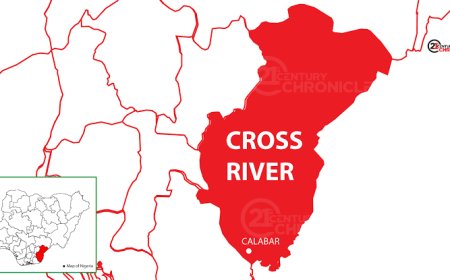








Cross River Launches Nigeria’s First Statewide Traceability Programme for Cocoa, Coffee, Oil Palm
By Kingsley Agim
The Cross River State Government has commenced a statewide traceability programme for cocoa, coffee and oil palm, positioning the state as the first in Nigeria to deploy a comprehensive, technology-driven system to safeguard export access and meet global sustainability standards.
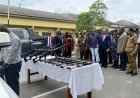
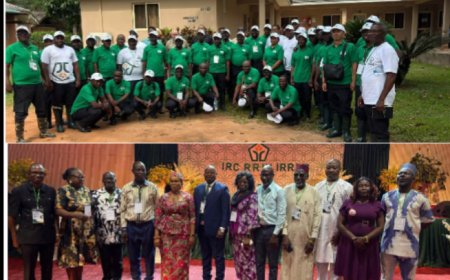
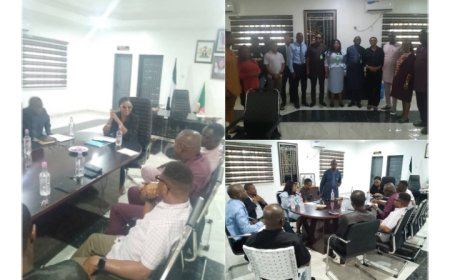
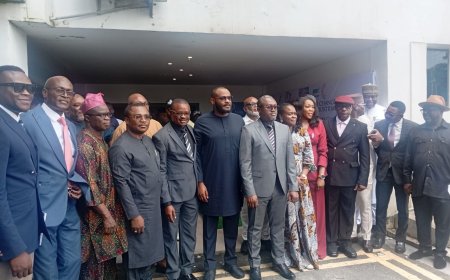
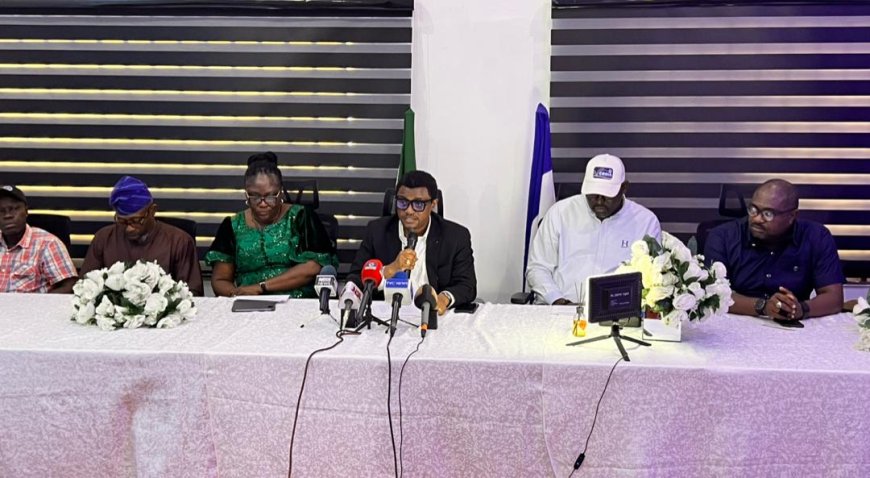
The programme was unveiled, weekend, at the Cross River Geographic Information Agency (CRGIA) in Calabar by the Commissioner for Agriculture and Irrigation Development, Hon. Johnson Andiambey Ebokpo.
Ebokpo said the initiative provides end-to-end visibility of commodities from farm to market and aligns with national policies and international requirements, particularly the European Union Deforestation Regulation (EUDR), which demands proof that agricultural exports are not linked to deforestation.
He credited Governor Bassey Edet Otu for driving the reform under his People First agenda, noting that a Multi-Stakeholder Committee inaugurated by the governor recommended a digital traceability system within a seven-year strategic development plan for cocoa and oil palm, alongside a coffee roadmap.
The commissioner disclosed that PULA Advisors has been engaged as Lead Consultant for EUDR compliance and implementation, declaring that Cross River intends to serve as a model for a future national traceability framework.
“Under the system, farms will be mapped using GPS polygon technology, farmers and value chain actors registered, and production flows tracked through secure data management platforms, with 300 trained field agents to be deployed statewide,” he explained.
Ebokpo stressed that the programme is supportive and non-punitive, warning that without geolocation compliance and credible environmental baseline data, farmers risk losing access to premium international markets. Formally declaring the programme commenced, he said the state would integrate the platform with private sector systems through APIs and expand traceability to other EU-sensitive commodities such as timber, cattle and soybeans, laying a firm foundation for sustained market access, investor confidence and long-term agricultural transformation.
Country Director of PULA Advisors, Dr. Mike Enahoro, described the initiative as transformative, noting that real-time analytics would enable yield prediction, targeted interventions and farmer protection.
Director-General of CRGIA, Mr. William Archibong, assured that all spatial data generated would be securely warehoused within the agency's geospatial infrastructure to ensure transparency and integrity.
Providing economic insight, the Statistician General, Mrs. Akedor Okoi Edet, said agriculture contributes N4.19 trillion out of N8.18 trillion, 51.29 per cent of the state's GDP, though its growth rate of 13.50 per cent trails industry and services.
She described the traceability programme as a shift from fragmented information to dependable statistics capable of guiding policy, investment planning and value chain development.
Chairperson of the Multi-Stakeholder Committee, Prof. Susan Ohen, said the system would digitally profile farmers, strengthen sustainability compliance and improve access to premium markets, calling it an economic and governance reform.
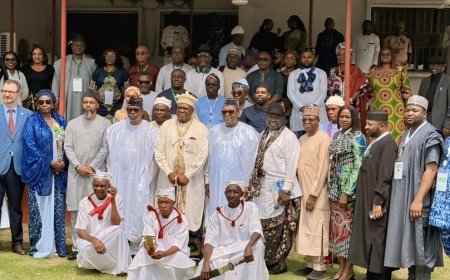
Implementation will include statewide sensitisation using local languages, radio jingles, digital platforms and extension networks, engaging cooperatives, women and youth groups, commodity associations, traditional institutions and relevant MDAs.
Development partners supporting the initiative include the Food and Agriculture Organization (FAO), Lutheran World Relief, TRACE and UK Propcom+.