






















United States Seeks Approval To Establish Drone Re-Fuelling Station in Nigeria
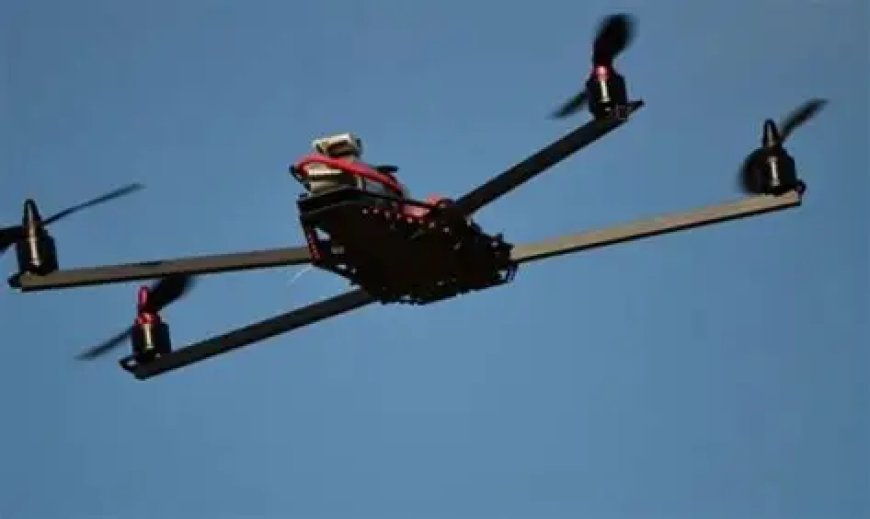
The United States has formally requested permission to establish a drone refuelling station in Nigeria, marking a potential expansion of American security operations in West Africa.
The proposed facility is intended to support U.S. surveillance and strike-capable drones operating from Accra, Ghana, into Nigerian airspace, according to sources familiar with the discussions.
Reports indicate that talks between U.S. and Nigerian officials are at an advanced stage, with a North-East state reportedly identified as a potential host for the station.
If approved, the facility would serve as a strategic hub for U.S. unmanned aerial operations in the region, enhancing surveillance and rapid-response capabilities against security threats, including terrorism and cross-border insurgencies.
While the proposal underscores deepening military cooperation between the two countries, it also raises sensitive questions regarding national sovereignty and the extent of foreign military presence on Nigerian soil. Critics argue that hosting a U.S. drone refuelling station could amplify regional security tensions, particularly in border states that are already contending with militant activity.
Officials in Nigeria have not publicly confirmed the discussions, but analysts suggest that the initiative forms part of the broader U.S. efforts to strengthen counterterrorism partnerships across West Africa. U.S. drones operating from Ghana have increasingly monitored militant activity in Nigeria, Niger, and neighboring countries, providing real-time intelligence and rapid strike capability to complement regional security operations.
Supporters of the initiative argue that a local refuelling station would reduce operational delays for U.S. drones, improve response times to emerging threats, and reinforce Nigeria’s capacity to manage insurgent and terrorist networks in collaboration with American forces. Proponents also note that similar arrangements have been implemented elsewhere in Africa to support surveillance and humanitarian missions.
However, the proposal has sparked debate among policymakers, security experts, and civil society groups, who caution against expanding foreign military infrastructure without comprehensive oversight and clear rules of engagement. Questions persist over the legal framework governing drone operations, accountability for civilian casualties, and the potential for escalating tensions with neighboring countries.
As discussions continue, both Nigerian and U.S. officials are expected to weigh the strategic benefits against possible political and security risks. The outcome of these negotiations could reshape the scope of U.S. military activity in West Africa, further highlighting the delicate balance between international cooperation and national sovereignty in the region.
Source: Arise News