

























Rivers State University Urges “Harambee” Unity to Advance Social Justice

By Ekanem Asuquo
PORT HARCOURT – The Department of Social Work at Rivers State University has called on Nigerians to embrace the East African philosophy of Harambee, meaning “all pull together,” as a means to address growing inequality and social injustice across the country.
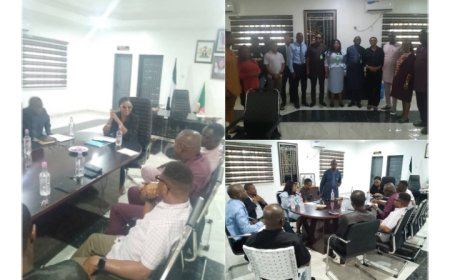
The appeal was made by the Head of Department, Prof. Mina Ogbanga, during a media briefing marking the 2026 World Social Work Day celebrations. She noted that the global theme, Co-Building Hope and Harmony: A Harambee Call to Unite a Divided Society, was a rallying point not only for the university but for the nation at large.
Prof. Ogbanga highlighted the evolving role of social work as a professional, evidence-based discipline critical for tackling contemporary challenges such as economic instability, internal displacement, and the mental health effects of social fragmentation. She praised social workers in the Niger Delta for their frontline efforts addressing youth restiveness and environmental displacement, describing them as “the architects of social cohesion who require proper legal frameworks and stakeholder collaboration to be fully effective.”
To ensure that the celebration translates into concrete action, the department proposed a series of reforms. These include fully operationalizing the Council for Social Work in Nigeria to eliminate quackery and protect vulnerable populations. Prof. Ogbanga also recommended embedding social workers in every Primary Healthcare Centre across Rivers State to address social determinants of health, including domestic violence and malnutrition. Additionally, the department called for the establishment of a State Social Welfare Trust Fund to move from reactive charity to sustainable social protection programs, updating curricula to integrate indigenous philosophies such as Ubuntu and Harambee, and investing in digital tools for case management and emergency response.
Prof. Ogbanga further emphasized the need to change public perception of social work, urging Nigerians to view practitioners as professional allies in family mediation and mental health rather than officials who merely “take children away.” She encouraged the private sector to move beyond ad hoc donations and adopt structured CSR programs that deliver measurable community impact in partnership with the university.
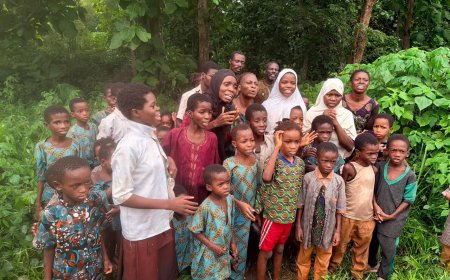
Looking forward, she announced plans to expand the Department’s Community Outreach and Field Practicum programs, enabling students to engage directly with communities in Port Harcourt and across the Niger Delta. “Hope is not a passive wish; it is a co-built reality,” Prof. Ogbanga concluded, adding that by embracing the Harambee philosophy, Nigerians can pool their resources, intellect, and empathy to build a Rivers State where no one is left behind.