






























NATIONAL GRID COLLAPSE, SHAME OF A NATION
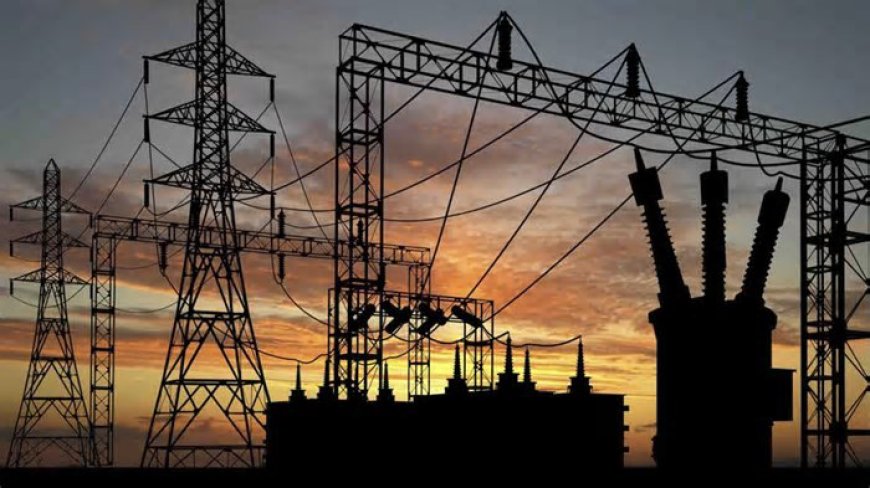
The national grid has collapsed again. Not stumbled, not sputtered, but spectacularly surrendered, plunging homes, hospitals, and hustling businesses into the familiar darkness that now feels less like an emergency and more like an expected event. In any serious country, such frequent failure would provoke fury, reform, and resignation. Here, it earns a shrug, a statement, and a suggestion that citizens should please be patient, again.
There is no gain noting that the Nigeria’s national grid has become a symbol of systemic strain and sustained surrender. Designed decades ago for a far smaller population and lighter industrial load, it now groans under the weight of over 200 million people, ageing infrastructure, inadequate investment, and chronic mismanagement. Generation fluctuates wildly, transmission remains terrifyingly fragile, and distribution companies struggle to deliver what little power survives the journey. The result is a grid so delicate that a minor fault in one corner can trigger nationwide darkness, like a house of cards collapsing in slow, shameful motion.
Yet, amid this persistent powerlessness, official optimism remains impressively intact. There are grand declarations about becoming an electricity hub, bold promises to export power to neighbouring countries, and confident conversations about regional energy leadership. One is left to wonder: export what, exactly? The darkness? The diesel dependency? Or perhaps the expertise in explaining why the lights went out this time?
It is a peculiar ambition to sell surplus electricity when supply at home is scandalously scarce. On paper, Nigeria has the capacity. In practice, it has the collapses. Industries rely on generators, households budget for fuel before food, and small businesses bleed quietly under the cost of self-generated power. The grid, meant to be the backbone of economic growth, behaves more like a brittle relic, breaking under predictable pressure and patched together with press releases.
The tragedy is not only technical but it is institutional. Grid collapses are investigated, committees are constituted, and conclusions are carefully buried. Accountability flickers briefly, then fades. Investment arrives slowly, coordination falters quickly, and long-term planning is sacrificed on the altar of short-term survival. Maintenance is postponed, upgrades are delayed, and redundancy, which is essential for any resilient grid, is treated as an optional luxury.
The shame of the national grid collapse lies not only in the blackout, but in its normalisation. Darkness has become domestic. Noise from generators is our national soundtrack. The economic cost is colossal, the social cost corrosive, and the reputational cost incalculable. No serious economy stumbles forward on unstable power, and no proud nation should tolerate a grid that collapses more often than it competes.
Until electricity is treated not as a political talking point but as critical infrastructure deserving competence, capital, and consistency, the grid will keep falling, and the excuses will keep flowing. And until then, the idea of exporting electricity will remain what it currently is: a bright joke told in the dark.
Anthony Ekpo Bassey, PhD, teaches Journalism at the University of Calabar, Cross River State.