














Armed Forces Celebration and Remembrance Day: Beyond Rhetorics
By Isaac Aqua
Guest Writer
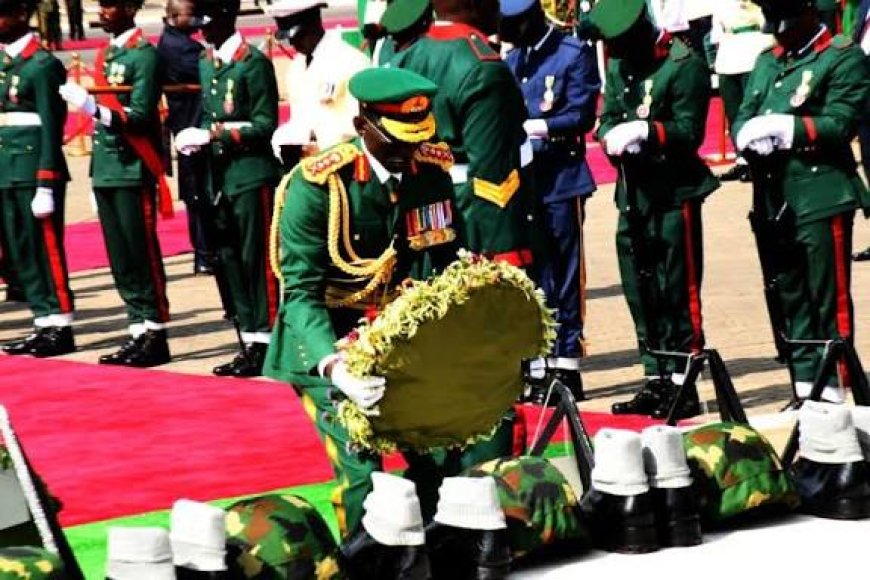
Every year, January 15 precise,Armed Forces Celebration and Remembrance Day arrives with solemn ceremonies, wreath laying, gun salutes and carefully worded speeches extolling bravery, sacrifice and patriotism.
Flags are lowered, uniforms are pressed, and the nation pauses, at least symbolically, to honour men and women who paid the ultimate price in defence of the country. Yet, beyond the choreography of remembrance lies an uncomfortable truth. For many fallen heroes and their families, remembrance too often ends where rhetoric begins.
Armed Forces Remembrance Day should not merely be an annual ritual of polished speeches and ceremonial pageantry. It should be a moment of national introspection, a time to confront how Nigeria treats those who bear the burden of its security and those left behind when duty demands the ultimate sacrifice. To remember is not only to recount history, but to accept responsibility.
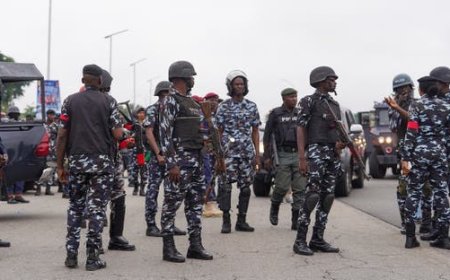
Nigeria’s armed forces have fought in wars that shaped the nation’s destiny. From the Nigerian Civil War to peacekeeping missions across Africa and beyond, Nigerian soldiers have stood on hostile grounds, defended fragile peace processes and carried the country’s flag with honour. In recent years, they have confronted even more complex threats. Insurgency, banditry, terrorism, separatist violence and communal conflicts have stretched the military thin, placing extraordinary demands on personnel often operating under severe conditions.
Behind every fallen soldier is a human story rarely told on ceremonial podiums. These are men and women who left behind families, dreams and futures, stepping into danger because the state demanded it. Many died far from home, some without adequate equipment, others without timely reinforcement, yet all bound by duty. Their sacrifice deserves more than symbolic remembrance.
The widows, children and dependants of fallen servicemen often carry a silent burden long after the wreaths have wilted. Many face delays in pensions, inadequate welfare support and bureaucratic obstacles that compound their grief. Some are forced into poverty, relying on charity or struggling through years of paperwork to access entitlements that should be automatic. This reality starkly contradicts the glowing tributes delivered during remembrance ceremonies.
Armed Forces Celebration and Remembrance Day must therefore compel the nation to ask hard questions. How well are we caring for veterans who return from service injured, traumatised or displaced from civilian life? How promptly are death benefits, insurance claims and pensions paid to bereaved families? How adequate are housing, healthcare and educational support for the children of fallen heroes? These questions cannot be answered with ceremonial silence.
Beyond welfare, remembrance must also interrogate the conditions under which soldiers are deployed. Reports of outdated equipment, insufficient intelligence support and delayed allowances are not mere administrative lapses. They directly affect morale and survival. A nation that truly honours its armed forces must ensure that no soldier is sent into battle ill prepared, poorly equipped or forgotten once the headlines fade.
Equally important is the need to insulate the armed forces from political exploitation. Soldiers should never be reduced to tools in partisan struggles or deployed for purposes that undermine professionalism and public trust. Respect for the military includes preserving its institutional integrity and ensuring that deployments are guided strictly by national interest and constitutional order.
Armed Forces Celebration and Remembrance Day should also be a platform for national education. Many young Nigerians have little understanding of the sacrifices behind the peace they enjoy or the freedoms they exercise. Remembrance must go beyond ceremonial grounds into classrooms, media spaces and community discussions. A nation that forgets its history risks repeating its tragedies.
The role of state governments, corporate institutions and civil society cannot be overstated. Honouring fallen heroes should not be left solely to the federal government or the military hierarchy. States can institutionalise support programmes for veterans and families of the fallen. Corporate organisations can adopt scholarship schemes, healthcare initiatives and housing projects as part of their social responsibility. Civil society can amplify advocacy, ensuring that promises made are promises kept.
Religious and traditional institutions also have a moral obligation. Their voices shape values and conscience. Remembrance should be preached not only as a ritual, but as a call to compassion, justice and collective responsibility. Honouring the dead means protecting the living.
Beyond material support, there is also the invisible wound of trauma. Many soldiers return from the front lines carrying psychological scars that go untreated. Post traumatic stress disorder remains poorly addressed, with limited counselling facilities and stigma discouraging many from seeking help. A nation serious about remembrance must invest in mental health care for its service personnel, recognising that survival alone does not mean healing.
As insecurity continues to challenge Nigeria’s unity and stability, the burden on the armed forces grows heavier. This makes remembrance even more urgent and more consequential. It must translate into policy reforms, adequate budgetary provisions and transparent welfare systems. Anything less reduces remembrance to theatrical performance.
Armed Forces Remembrance Day is also a reminder of the cost of failure in governance. Many conflicts confronting the military are rooted in poverty, injustice, poor leadership and social exclusion. True remembrance demands a commitment to address these root causes, reducing the need for soldiers to repeatedly sacrifice their lives for failures that could have been prevented through good governance.
As the nation bows its head in remembrance, it must rise with resolve. Resolve to care for the families left behind. Resolve to equip and support those still in service. Resolve to hold leaders accountable for decisions that send young men and women into harm’s way. Resolve to build a society where the sacrifice of soldiers is not constantly demanded to compensate for political shortcomings.
Ultimately, Armed Forces Remembrance Day must be more than a date on the calendar. It must be a moral reckoning. A nation that truly remembers does not wait for ceremonies to act. It embeds honour in policy, compassion in practice and gratitude in concrete support.
Beyond the rhetorics, remembrance must live in the everyday choices of governance and citizenship. Only then can the sacrifice of Nigeria’s fallen heroes find meaning beyond the echoes of gun salutes and captivating speeches. Only then can the nation honestly say that it remembers.