



























Adopting Nightlife For Sustainable Economic Gains in Cross River State
Anthony EKPO BASSEY
As dusk descends and daylight dims, economies elsewhere do not sleep. They simply switch shifts. Across continents, governments have discovered that the hours after sunset can be a season of surplus, a corridor of commerce, and a theatre of tourism. For Cross River State, long celebrated for its cultural capital, carnival creativity, and ecological endowments, the concept of a structured, safe, and sustainable nightlife economy offers a strategic stimulus waiting to be seized.
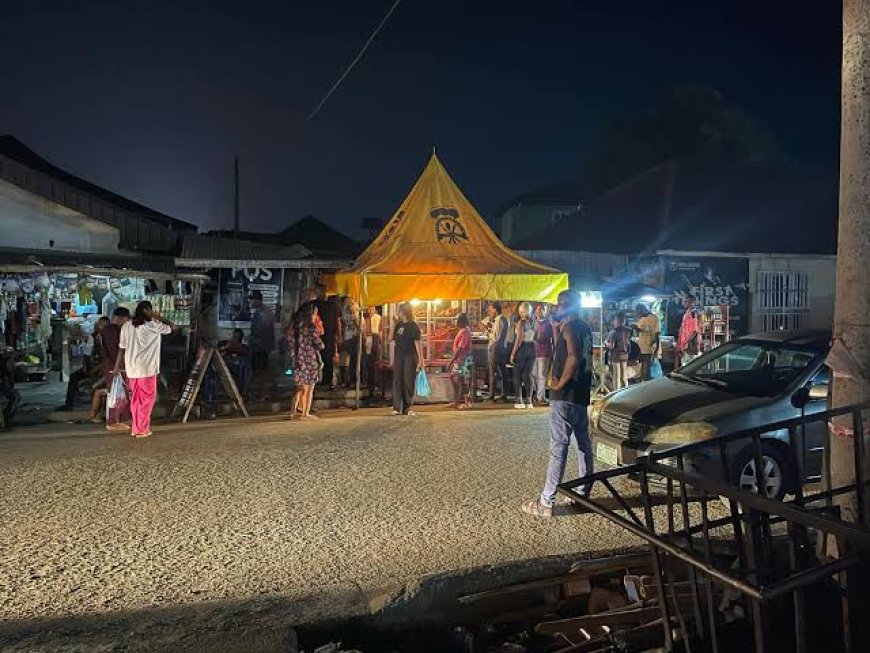
Together, let us on reflect on this. Nightlife, if properly planned, is not mere merriment. Rather, it is an extension of the service sector, a multiplier mechanism that mobilises micro and medium enterprises while maximising municipal margins. Evening economies activate hotels, restaurants, transport services, entertainment hubs, artisans, security services, and digital platforms, and create a circular flow of spending that broadens the tax base and boosts internally generated revenue. When visitors linger longer because the night is lively, leisure spending rises, occupancy rates improve, and ancillary services flourish. In economic terms, nightlife lengthens the value chain and deepens demand density.
Moreover, tourism thrives where time is textured. Cross River State already possesses a compelling comparative advantage, considering its lush landscapes, layered history, and a hospitable heritage. Yet tourism is most profitable when experiences are packaged beyond daylight. Furthermore, night markets, cultural showcases, music and theatre performances, waterfront promenades, culinary festivals, and creative co-working lounges can convert calm evenings into curated commerce. This is not about chaos, it is about coordination, policy-backed programming, predictable planning, and public-private partnerships that prioritise safety, sanitation, and standards.
Globally, the evidence is instructive. Spain’s cities, from Barcelona to Ibiza, have leveraged nightlife as a flagship of foreign exchange earnings and employment. The United Kingdom’s night-time economy, particularly in London and Manchester, contributes billions of pounds annually while sustaining hundreds of thousands of jobs. In the United States, New York City’s after-dark industries, from Broadway to late-night dining, form a formidable fiscal force. Thailand’s Bangkok and South Africa’s Cape Town similarly demonstrate how culture, cuisine, and creativity after sunset can translate into tourism traction and trade expansion. These examples show that when policy meets planning, the night becomes a national asset.
For Cross River State, adopting a nightlife framework would require thoughtful regulation, inclusive investment, and intentional infrastructure. Transport connectivity, lighting, licensing, security, and sanitation must be synchronised. Data-driven decision-making can map footfall, forecast revenue, and fine-tune taxation without stifling innovation. Importantly, a people-first approach ensures that local talents such as musicians, chefs, designers, performers, and tech entrepreneurs, are empowered to participate, thereby reducing unemployment and retaining youthful energy within the state’s economy.
Should the state choose this progressive path, we can help the state build a nightlife economy that is safe, scalable, and sustainable. From conducting feasibility studies and stakeholder consultations to designing culturally compliant programming and advising on branding, investment attraction, and impact assessment.
When the sun sets, opportunity should not. With vision, vigilance, and value-driven governance, Cross River State can transform twilight into turnover and evenings into earnings. The night, after all, is not a void to be feared but a vista to be financed, one where culture convenes, commerce circulates, and tourism truly takes time.