






Tinapa Was Flawed From Inception — Imoke
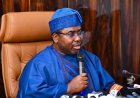
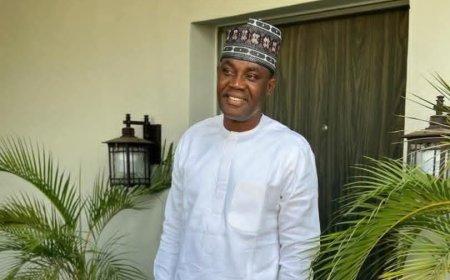
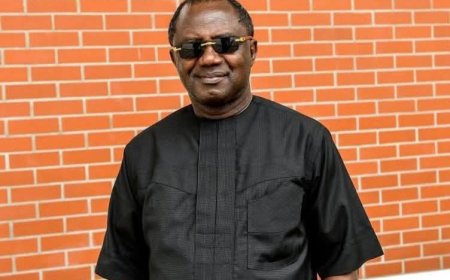
Former Cross River State Governor, Senator Liyel Imoke, has described the Tinapa Business and Leisure Resort as a poorly conceived project, saying key infrastructure, regulations and commercial conditions needed to sustain it were never put in place.
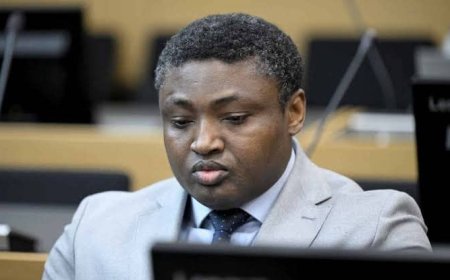
Imoke made the remarks while responding to criticism from his predecessor, Donald Duke, who had accused him of abandoning the ₦40 billion resort project initiated during Duke’s administration.
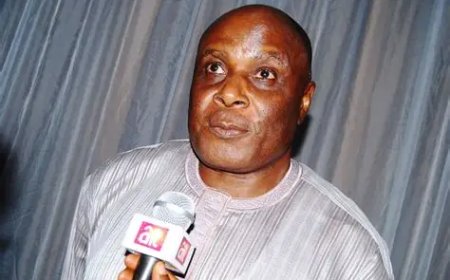
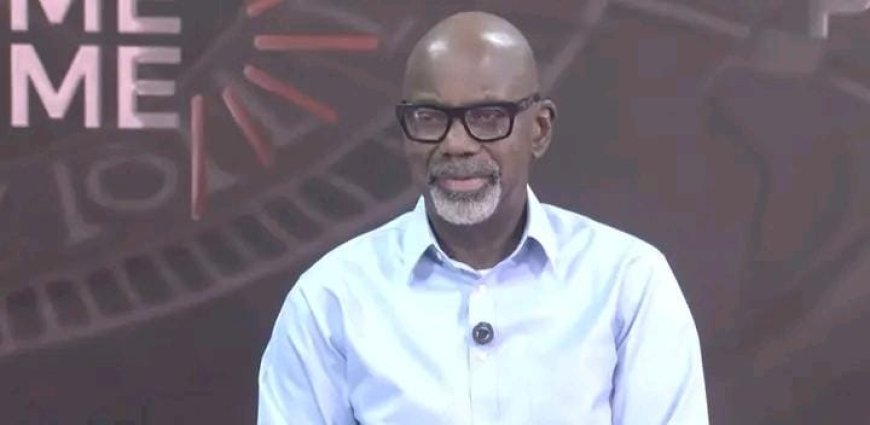
Speaking in an interview with ARISE NEWS on Wednesday, Imoke said Tinapa was designed as a free-trade shopping destination but lacked the wider commercial ecosystem required to attract and sustain major investors.
According to him, the project focused heavily on constructing facilities within the resort while critical requirements outside its perimeter, including a supportive regulatory framework, tax incentives, transportation infrastructure and reliable power, remained unresolved.
“Let us start with the concept of Tinapa, it was badly conceived at the beginning. That is the reality,” Imoke said, adding that the state could not determine many of the conditions upon which the project’s success depended.
He said Tinapa’s viability required better air connectivity, a dredged seaport, suitable free-trade-zone regulations, improved roads and incentives that would attract international businesses.
Imoke argued that the state government had limited control over most of these requirements, despite being left to maintain the costly facility.
He also defended his administration against allegations that it abandoned Tinapa after taking over from Duke.
Imoke said he sustained the project throughout his tenure while also using its facilities for government conferences, South-South governors’ meetings, economic development programmes and other major events.
He said his administration also linked the monorail infrastructure inherited from Duke to the Convention Centre, established an ICT hub at Tinapa and moved some Calabar Carnival and festival activities to the resort.
The former governor said Tinapa also placed a significant financial burden on the state, noting that Cross River had to continue funding the project despite the absence of the conditions needed for it to generate adequate returns.
According to him, the state’s debt obligations relating to Tinapa consumed more than half of its revenues at one point, making it difficult to inject additional funds into the project.
On the intervention by the Asset Management Corporation of Nigeria, AMCON, Imoke said the state agreed to concede its interest because it lacked the estimated ₦26 billion to ₦29 billion required to revive the resort.
He, however, said the intervention ultimately failed because the fundamental challenges remained unresolved.
Imoke noted that Calabar Airport remained limited in capacity, the seaport had not been dredged and the free-trade-zone arrangements were still inadequate to attract investors.
He similarly defended his handling of the Obudu Ranch Resort, saying the facility faced its own financial and accessibility challenges.
Imoke said his administration spent heavily on maintaining the resort, including subsidising electricity and flights, bringing in Sun International/Protea to manage the facility and improving the safety of its airstrip.
He said the cable car alone cost about $40 million to construct and required roughly ₦240 million annually for maintenance during his tenure, while revenue from its operation covered only about eight per cent of the maintenance cost.
According to him, his administration maintained the cable car for eight years despite its poor financial returns.
He also said his government acquired a Dash 8 aircraft and worked with Aero Contractors to sustain flights between the resort and Calabar, Lagos and Abuja.
Imoke added that a DVOR navigation system was installed to improve the safety of flights into the Obudu airstrip following two fatal plane crashes.
Beyond Tinapa and Obudu, the former governor said his administration maintained Duke’s major projects and initiatives, including the Calabar Carnival, mountain race, urban renewal and street-lighting programmes.
He said continuity was a major principle of his administration, arguing that public projects should not be abandoned simply because they were initiated by a previous governor.
“Government was continuous, and we sustained every single project, added value to every project and increased the outcomes of everything that he himself had started.”
He said his administration expanded the urban renewal programme from Calabar Municipality to Calabar South and extended street lighting beyond Marian Road to other parts of the state.
Imoke maintained that his focus as governor was to balance inherited projects with broader responsibilities, including healthcare, education, rural development, infrastructure and the payment of civil servants.
He said the central problem with Tinapa was not simply how it was managed after Duke left office, but the original design of the project and the failure to secure the wider economic and regulatory conditions required for it to succeed.