
























Opinion: Social Media Journalism, Activism, and the Ethical Line We Keep Crossing
By Benjamin Gbor
Social media has changed journalism and activism greatly. Today, anyone with a smartphone can report an incident, expose wrongdoing, or mobilise public attention within minutes. In many ways, this change has been beneficial. It has given voice to the voiceless, exposed abuse of power, and forced accountability where silence once dominated.
But this power has also created a problem we are becoming too comfortable with, the erosion of ethics in digital reporting.
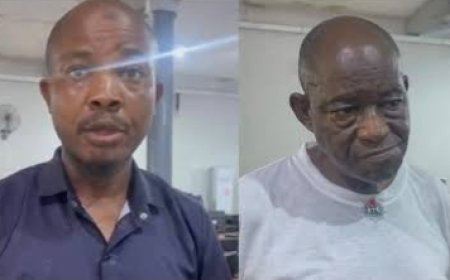
A growing trend is the public parade of suspects on social media before any court has established guilt. Faces are posted, and people are instantly convicted in the court of public opinion. The principle of “innocent until proven guilty” is slowly being replaced by “guilty once posted.”
This has become dangerous, and It is not enough to say someone was “caught” or even “confessed.” Confession is not conviction. The law exists for a reason, to verify, to test evidence, and to ensure that justice is not rushed or driven by emotion. Yet, online spaces skip these steps entirely. Once a suspect’s image is posted, the damage is already done, regardless of what the court later decides.
We also need to ask a difficult question, what happens when the court clears that person? Social media rarely offers corrections with the same speed or visibility as the original accusation. The stigma remains. The digital footprint becomes a permanent label, and reputational harm becomes irreversible.
Traditional journalism understands this risk, which is why reputable media houses often blur faces or withhold identities until legal confirmation is made. It is not weakness; it is responsibility. Unfortunately, many social media activists and citizen journalists operate without this filter, believing that exposure equals justice.
They fair to understand that exposure without ethics is not justice, it is more harm.
It is also disappointing that some individuals who have been involved in activism for a long time, and have attended seminars on human rights issues, and are expected to understand these principles, still go ahead and engage in these same unethical practices. Knowledge has not translated into restraint, and experience has not necessarily produced responsibility.
Activism and citizen journalism should not lose their moral compass in the pursuit of attention or outrage. There is a difference between informing the public and influencing a mob. One strengthens society; the other weakens trust in justice systems.
If social media journalism is to remain credible and truly impactful, it must begin to respect the same ethical foundations that guide professional journalism. Otherwise, we risk building a space where truth is rushed, reputations are disposable, and justice is decided by likes, shares, and viral outrage.