































The Death of Quiet Dignity in the Age of Digital Noise
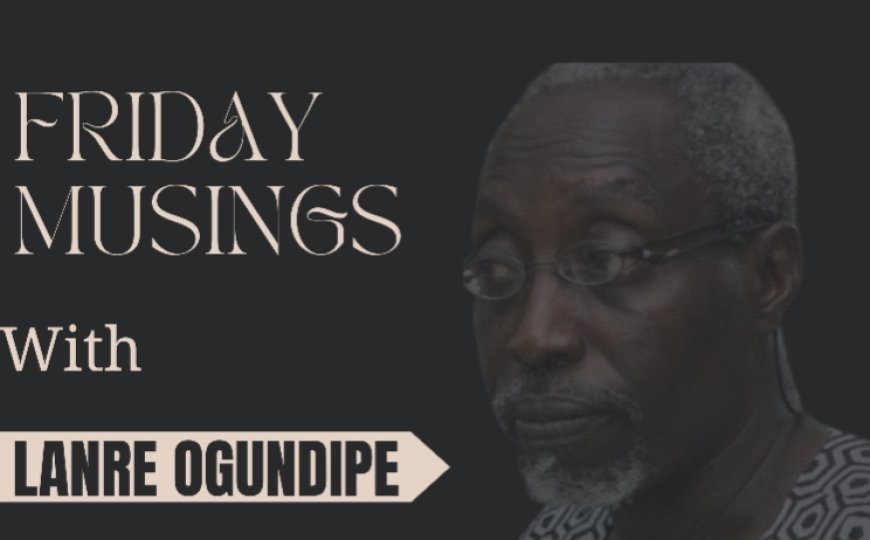
By Lanre Ogundipe
There was a time when dignity announced itself without words. It did not seek applause, nor did it crave an audience. It resided quietly in measured speech, restrained conduct and the quiet confidence of a life lived with integrity. People were respected not because they were constantly seen, but because they were consistently honourable. They understood that not everything deserved public display and that some of life's greatest treasures flourished only within the sanctuary of privacy.
Our elders instinctively understood this truth. They celebrated without ostentation, mourned without spectacle, gave without advertisement and endured hardship without turning suffering into public theatre. Honour was measured less by what one proclaimed than by what one quietly embodied. Character, not visibility, was the true currency of respect.
Today, that quiet civilisation is steadily giving way to another culture—one driven by relentless digital exposure. We inhabit an age where every experience is expected to become content, every opinion demands immediate publication and every emotion seeks public validation. The smartphone has become both witness and judge, encouraging us to record, display and narrate even the most intimate moments of our lives.
The result is not merely technological change; it is a profound cultural shift. Privacy is increasingly mistaken for irrelevance, restraint for weakness and silence for insignificance. The quiet dignity that once defined mature living is slowly being displaced by an unending performance in the marketplace of digital attention.
Perhaps the greatest casualty of this culture is not privacy but reflection. A generation constantly connected has become increasingly disconnected from itself. Solitude—the birthplace of wisdom, creativity and communion with God—is steadily disappearing beneath an endless stream of notifications, opinions and distractions. We have mastered the art of constant communication while gradually losing the discipline of quiet contemplation.
Our African heritage teaches a different lesson. Wisdom was never measured by the volume of one's voice but by the weight of one's words. The elder did not speak because he had something to say every moment; he spoke because silence had first refined his thoughts. Leadership carried dignity because restraint carried authority.
The digital age need not become the graveyard of these enduring virtues. Technology is a tool, not a master. It should enrich our lives without consuming them, connect us without exposing every corner of our existence, and amplify worthwhile ideas without rewarding perpetual outrage.
Reclaiming quiet dignity therefore begins with personal discipline. It means recognising that not every achievement requires publication, not every disagreement deserves an audience and not every emotion demands immediate expression. It means recovering the forgotten wisdom that some victories are sweeter when celebrated quietly, some acts of kindness are nobler when unseen and some burdens are best carried within the circle of those who truly care.
There remains immense beauty in a life that is neither hurried by trends nor governed by algorithms. There is quiet strength in measured speech, quiet confidence in humble service and quiet joy in knowing that one's worth is not determined by applause but by character.
The world will continue to reward noise. It always has. But history remembers those whose influence outlived the applause of their generation.
In an age intoxicated by exposure, perhaps the rarest form of courage is still the oldest: to live with quiet dignity, to speak with restraint, to serve without fanfare and to leave behind not a trail of digital echoes, but a legacy of honour.