




























Nigerians Cry out as Cooking Gas Prices Soar, Experts blame Markets, Subsidy Removal
By Missang AKPET
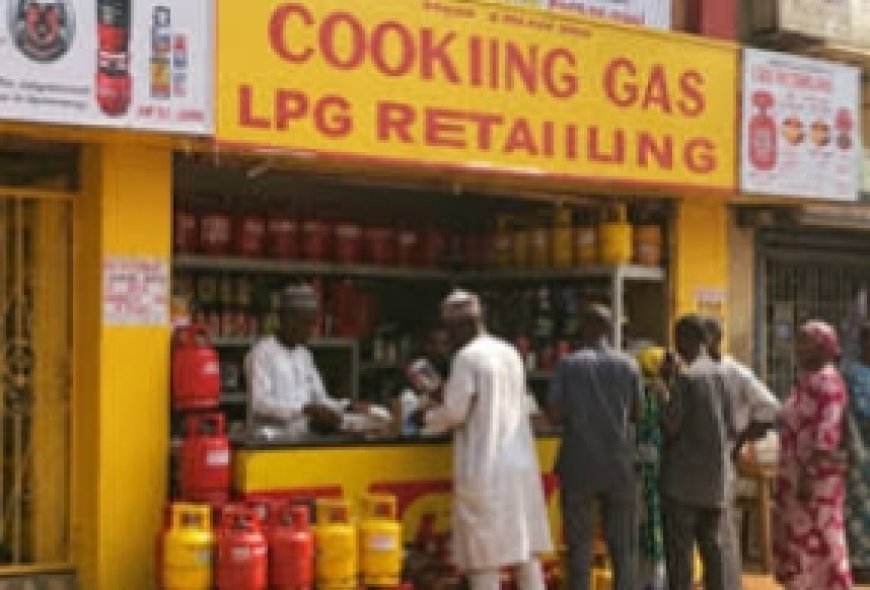
Nigerian households are once again facing financial strain following new pricing announced by cooking gas dealers that has increased the price of Liquefied Petroleum Gas (LPG) to between N1,800 and N2,000 per kg in major cities from the previous average rate of N1,300 per kg.
At depots and retail stations, the new price has increased the cost of refilling a 12.5kg cooking gas cylinder to between N22,500 and N25,000, adding to the already existing economic pressures consumers have faced about food prices, transportation costs, and inflation.
Dealers attributed the new price increase to supply shortages, rising depot prices, logistics, and operational costs. They explained that the increase in depot price forced retailers to also increase their prices to cover operating costs.
The price hike comes just days after Eid-el-Kabir, when many families are already using more energy for cooking, leaving them in a difficult situation after the rise in cooking gas prices. Consumers say the continued rise in LPG prices would force families back to using firewood and charcoal, despite the government's push for cleaner and safer cooking energy.
Meanwhile, the Nigerian Association of Liquefied Petroleum Gas Marketers (NALPGAM) had earlier warned that the price hikes may defeat the purpose of promoting clean energy consumption in homes. They stated that marketers now pay between N25.2 million and N26.2 million per 20 metric tonnes of LPG, depending on their location, and this is passed to the consumers at the retail outlet.
Also, Retail Outlets Owners have cited lack of competition within the LPG sector as a cause for the recurrent scarcity and price volatility within the system, calling for greater liberalization of the LPG sector.
Reacting to rising cooking gas prices, Akabom Ene-Obong, the Chief Executive Officer of One Gas Limited located in Calabar blamed the rising cost of Liquefied Petroleum Gas, LPG, on global market forces and operational expenses.
According to him, a truck of cooking gas that sold for between ₦10 million and ₦15 million one to two years ago now costs over ₦30 million. The gas expert linked the surge to the general rise in petroleum product prices and high cost of logistics.
“We are simply marketers. We sell as we buy. We can only sell to recover our cost and make a margin for the sustainability of the business, LPG is a petroleum product and we all know the increase in price is not unrelated to other petroleum products".
"Don't forget we also need diesel to transport our products and power our facility, so the cumulative cost has led to the rise in price,” he explained.
Ene-Obong maintained that the burden ultimately lies with government following subsidy removal. He urged that savings from subsidy withdrawal be channelled into programmes that will cushion the hardship on citizens.
“The bulk stops at the table of government. Subsidy has been withdrawn, but the savings should be used to alleviate the sufferings of the people, which is what it was meant for,” he said.
The National Bureau of Statistics (NBS) earlier reported that the average retail price for refilling a 5kg cylinder of Liquefied Petroleum Gas (LPG), commonly known as cooking gas, rose by 13.73% on a month-on-month basis, increasing from N7,655.73 in March 2026 to N8,706.93 in April 2026. On a year-on-year basis, the price increased by 10.42% from N7,885.60 recorded in April 2025.
The report also showed that the average retail price for refilling a 12.5kg cylinder of LPG rose by 13.89% month-on-month, increasing from N19,652.83 in March 2026 to N22,382.20 in April 2026.