














Internal Crisis Rocks PRP As ADC Leadership Mulls Alliance Over Court Case

There are reports making the rounds that the Peoples Redemption Party (PRP) have been hit by internal leadership crisis following moves by Democratic Congress (ADC) stalwarts to defect ahead of close of end of party primaries.
ADC Leadership is said to be weighing up an alternative of defecting to PRP to enable them release their political ambitions ahead of 2023.
Reports also have it that Obi/Kwankwaso movement may have been discreetly working with PRP National Chairman, Hakeem Baba-Ahmed, on smooth detection ahead of 2027.
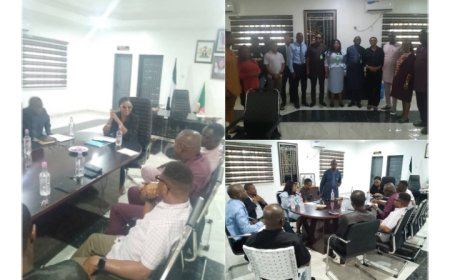
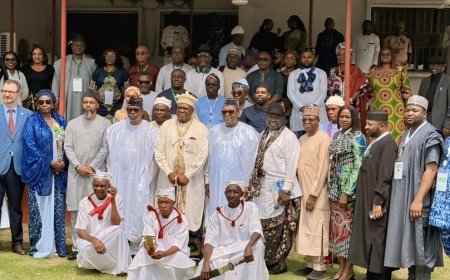
The faction was said to have emerged within the PRP after its National Chairman, Hakeem Baba-Ahmed, alongside other party members, paid a courtesy visit to former Senate President and current ADC National Chairman, David Mark.
Some party members were said to be piqued that the chairman is wooing other opposition leaders to join forces to oust APC in 2027.
Reacting, the National Publicity Secretary of the African Democratic Congress (ADC), Bolaji Abdullahi, blamed the administration of President Bola Ahmed Tinubu for what he described as a growing pattern of instability among opposition parties.
Responding via his official X account on Tuesday, April 28, 2026, Abdullahi accused the ruling government of deliberately undermining opposition parties in a bid to weaken democratic competition.
He argued that the pattern of internal crises affecting opposition groups cannot be dismissed as coincidence or mere organizational challenges.
According to Abdullahi, the current administration is not genuinely committed to fostering a healthy multiparty system. Instead, he alleged that efforts are being made to destabilize rival parties and limit their ability to operate effectively.
He was particularly critical of the ruling All Progressives Congress (APC), claiming it has consistently played a role in triggering disputes within opposition ranks.
Abdullahi described the situation as unprecedented, stating that the present administration ranks among the most brazen in Nigeria’s political history.