
























C'River: Address Deteriorating Health Sector, PDP Urges Otu

By Benjamin GBOR
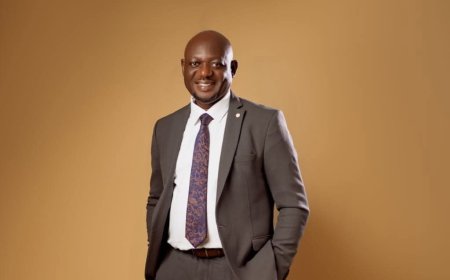
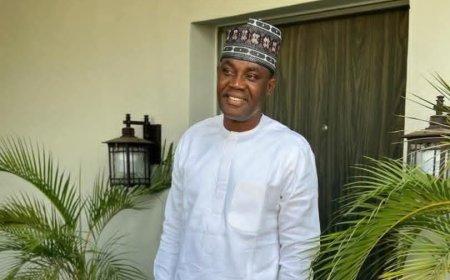
The Chairman of the Peoples Democratic Party in Cross River State, Barrister Venatius Ikem, has urged Governor Bassey Otu to urgently address the worsening condition of the state’s health sector, warning that continued neglect could further deepen the collapse of healthcare services across Cross River.
Speaking with journalists, Ikem expressed concern over the state of public health institutions, alleging that the General Hospitals in Calabar and Akamkpa, which he described as the only functional ones in the state, operate without stable electricity supply.
According to him, medical personnel in some instances rely on petrol provided by patients’ families or use phone torch lights during surgical operations.
“The health sector in Cross River is in a shambolic condition and requires urgent intervention. It is unacceptable that surgeries are being carried out with the aid of phone torch lights because there is no electricity in some General Hospitals,” Ikem stated.
The PDP chairman also alleged that the state currently has only 99 nurses and fewer than 20 doctors in government employment across public health facilities.
He warned that the shortage of manpower has weakened healthcare delivery, particularly in rural communities where access to medical services is already limited.
“Nurses and doctors are leaving the state service due to poor remuneration and terrible working environment. The few health workers left are overstretched and cannot adequately meet the healthcare needs of the people,” he said.
Ikem further lamented the shortage of trained midwives in many health centres, arguing that the development has forced many pregnant women into the hands of Traditional Birth Attendants, leading to avoidable maternal deaths.
He called on the state government to establish laws regulating the operations of Traditional Birth Attendants and create proper referral procedures between them and trained medical personnel to improve maternal healthcare.
“There is no proper law regulating the activities of Traditional Birth Attendants in the state. Government must put measures in place to ensure collaboration and referral protocols between TBAs and trained medical personnel in order to safeguard pregnant women,” he added.
The opposition party chairman also raised concerns over the healthcare situation in Odukpani Local Government Area, the governor’s home council, claiming that only two nurses currently serve at a health facility in the area.
Ikem further alleged that nursing institutions in the state were yet to secure accreditation from the Nursing and Midwifery Council of Nigeria, a development he said is worsening the shortage of qualified personnel.
“The nursing colleges in the state are still awaiting accreditation from the Nigerian Nursing and Midwifery Council. This is affecting training capacity and worsening the manpower shortage in the health sector,” he said.
He also criticised the Commissioner for Health, Dr Henry Ayuk, accusing him of focusing on less important activities instead of tackling major problems affecting the sector.
“The Commissioner for Health is busy inspecting construction of soak away facilities in General Hospitals and making headlines out of it instead of raising serious concerns about the absence of modern medical equipment and shortage of manpower in the sector,” Ikem alleged.
The PDP chairman also questioned the management of funds allocated to the health sector, insisting that most of the visible interventions in healthcare were being driven by donor agencies rather than government initiatives.
“We demand to know what is happening to the health sector budget because the little intervention being witnessed is largely driven by donor support rather than deliberate government investment,” he said.
Ikem urged the state government to prioritise recruitment of medical personnel, rehabilitation of public hospitals and provision of essential infrastructure such as electricity and modern medical equipment.
He warned that failure to urgently address the challenges confronting the sector could further worsen health outcomes for residents across the state.