
























COMMENTARY: Xenophobic Attacks and African Union’s Troubling Silence
By Isaac AQUA
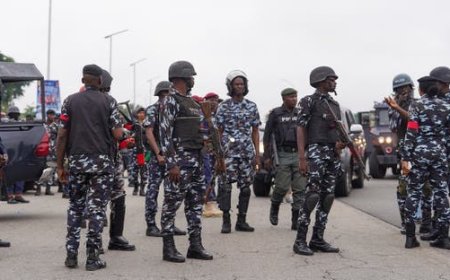
A dark and troubling shadow is once again hanging over South Africa. Across parts of the country, fresh waves of xenophobic violence targeting fellow Africans have continued to expose the painful contradictions within a continent that proudly preaches unity, solidarity and Pan African brotherhood. Reports of killings, brutal assaults, intimidation and violent expulsions of Nigerians and other African nationals have reignited fears that Africa’s dream of continental coexistence is steadily being undermined by hatred from within.
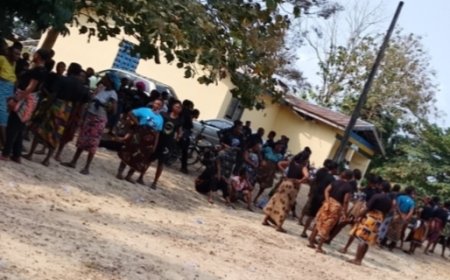
What makes the situation even more disturbing is the sheer brazenness of the attacks. This is no longer limited to isolated street violence or clashes in overcrowded townships. Reports indicate that hospitals, schools and public spaces are now being invaded by mobs searching for foreign Africans for harassment, intimidation and forced expulsion. Viral videos circulating across social media platforms reveal scenes of fear, chaos and humiliation that no African should ever endure on African soil.
For many across the continent, the images are heartbreaking. They evoke painful questions about what became of the ideals that once united Africa against colonialism, oppression and apartheid. They force the continent to confront an uncomfortable reality: how did a nation whose liberation struggle depended heavily on African solidarity become the epicentre of recurring hostility against fellow Africans?
This latest wave of attacks is not occurring in a vacuum. Xenophobic violence in South Africa has become a recurring national embarrassment dating back several years. From the deadly attacks of 2008 to subsequent outbreaks in 2015 and beyond, lives have repeatedly been lost while thousands have been displaced. Businesses built over decades by hardworking African migrants have been destroyed within hours by violent mobs driven by anger, frustration and dangerous misinformation.
The victims are often ordinary Africans seeking survival and opportunity in a country long viewed as one of the continent’s largest economic destinations. Nigerians, Zimbabweans, Ethiopians, Ghanaians and others have repeatedly found themselves blamed for unemployment, crime, economic hardship and governance failures that are fundamentally domestic challenges requiring political and economic solutions.
Certainly, South Africa faces genuine socioeconomic difficulties. Rising unemployment, inequality, poverty and frustrations over poor service delivery remain serious national concerns. Many South Africans, especially within struggling communities, feel abandoned by political elites and trapped in worsening economic conditions. These frustrations deserve serious policy attention.
However, no economic hardship can justify violence, looting, intimidation or the dehumanization of fellow Africans. No grievance legitimizes the invasion of hospitals and schools in search of foreigners. No patriotic argument excuses murder, mob violence or ethnic hatred. When fellow Africans become targets simply because of their nationality, the crisis ceases to be political frustration and becomes a dangerous moral failure.
Perhaps the deepest irony lies in South Africa’s own history. The country’s liberation from apartheid was never achieved in isolation. It was sustained by the sacrifices of countless African nations and citizens who stood firmly against racial oppression when doing so carried enormous political and economic risks.
Countries such as Tanzania, Zambia, Angola, Mozambique, Zimbabwe and Nigeria provided shelter, funding, training camps and diplomatic support for South African liberation movements. Many of these countries suffered military aggression, destabilization and economic hardship for their role in supporting anti apartheid fighters. African nations rallied behind the African National Congress and other liberation groups because they understood that apartheid was not merely South Africa’s problem, but Africa’s collective burden.
Nigeria, in particular, invested heavily in the anti apartheid struggle through diplomatic pressure, financial contributions and international advocacy. African students paid solidarity levies. Governments diverted resources to support liberation movements. African citizens marched, protested and campaigned globally for South Africa’s freedom.
That history makes today’s xenophobic violence especially painful. It represents not merely social unrest, but a betrayal of Africa’s shared sacrifice and collective memory. It contradicts the spirit of Ubuntu, the philosophy of shared humanity and interconnectedness that South Africa once proudly projected to the world.
Equally troubling is the growing perception that sections of South African political leadership have failed to confront the crisis with the urgency and firmness it demands. While some officials have condemned violence, inflammatory rhetoric around immigration and foreigners has sometimes contributed to hostile public sentiments. Leadership silence or ambiguity in moments of tension often emboldens extremists and deepens division.
Yet, beyond South Africa itself, another institution stands accused in the court of African public opinion: the African Union.
For an organization founded on the principles of African unity, solidarity and collective protection, the African Union’s response has been painfully underwhelming. At a time when Africans are being hunted, brutalized and humiliated within another AfriThe country, the continental body has largely remained silent or offered weak diplomatic reactions that fail to match the gravity of the crisis.
This silence is becoming increasingly indefensible.
The African Union cannot continue to speak loudly on global issues while whispering on matters threatening African lives within Africa itself. The credibility of any continental institution depends on its willingness to defend the principles upon which it was established, especially during moments of moral testing.
Many Africans are now openly questioning the relevance of the AU if it cannot forcefully respond to repeated attacks against Africans on African soil. If Pan African institutions cannot defend African citizens from xenophobic violence, then the lofty declarations about African brotherhood risk becoming empty slogans disconnected from reality.
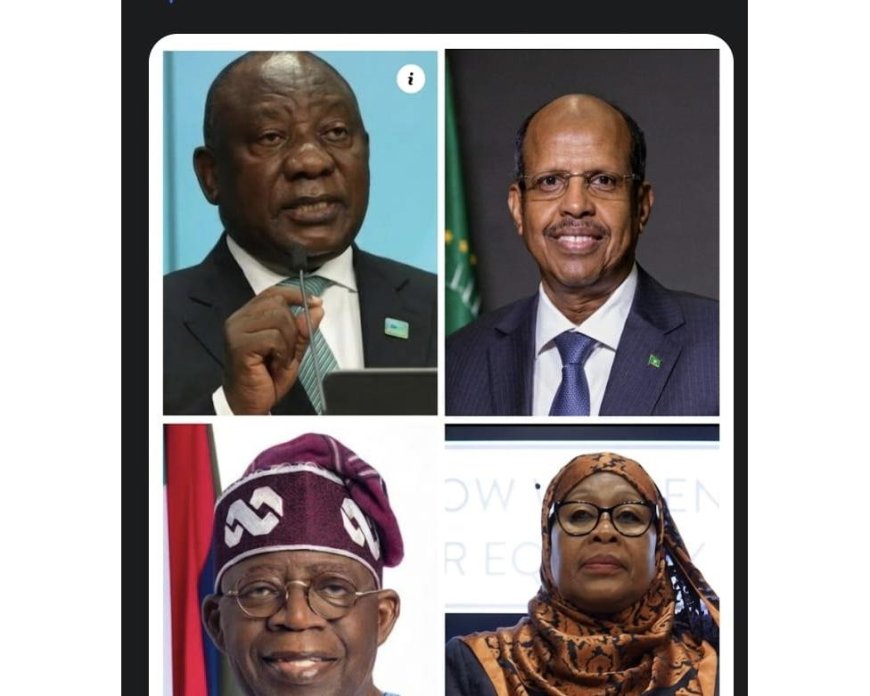
Recent diplomatic tensions further illustrate the growing frustration across the continent. Reports that Tanzanian President Samia Suluhu Hassan issued strong retaliatory measures against South Africa over the attacks reflect mounting anger among African nations and citizens. According to the reports, Tanzania threatened border closures and trade restrictions while condemning what it described as South Africa’s apparent disregard for the sacrifices other African nations made during the anti apartheid struggle.
Whether symbolic or practical, such reactions reveal the dangerous diplomatic consequences xenophobic violence could trigger if left unchecked. Africa cannot afford internal hostility at a time when the continent is pursuing greater economic integration through initiatives such as the African Continental Free Trade Area.
Regional integration cannot thrive where fear, hatred and violent nationalism dominate public spaces. Economic cooperation becomes fragile when Africans no longer feel safe beyond their national borders. The dream of a borderless and united Africa cannot survive under the weight of recurring xenophobic violence.
South Africa must therefore confront this crisis honestly and decisively. Law enforcement agencies must move beyond routine condemnations and ensure perpetrators of violence face justice. Political leaders must reject divisive rhetoric and promote responsible public discourse around immigration and economic frustrations. Community engagement programmes, economic reforms and stronger social interventions are urgently needed to address the root causes of resentment without scapegoating vulnerable migrants.
At the continental level, the African Union must abandon its troubling silence and assume visible leadership. The AU should convene urgent discussions with South African authorities, deploy human rights monitoring mechanisms where necessary and push for stronger protections for African migrants living within member states. Symbolic statements alone are no longer sufficient.
More importantly, the continent must rediscover the values that once united Africans during their darkest struggles. Africa’s strength has always rested in solidarity, not division. The same continent that united against colonialism, apartheid and foreign oppression cannot now normalize hatred against its own people.
Xenophobia diminishes everyone. It weakens Africa’s moral voice, threatens regional stability and undermines decades of efforts toward continental integration. It transforms Africa from a symbol of shared destiny into a battlefield of suspicion and resentment.
The shame of xenophobic violence does not belong to South Africa alone. The silence of African institutions, especially the African Union, has made the crisis even more painful. History will not only remember those who committed these attacks. It will also remember those who watched in silence while fellow Africans suffered humiliation and violence at the hands of their supposed brothers.
Africa deserves better. The African Union must speak. South Africa must act. And Africans everywhere must remember that unity is not merely a political slogan. It is a moral responsibility.