















FAO, Stakeholders Meet in Calabar Over Deforestation
By Benjamin GBOR
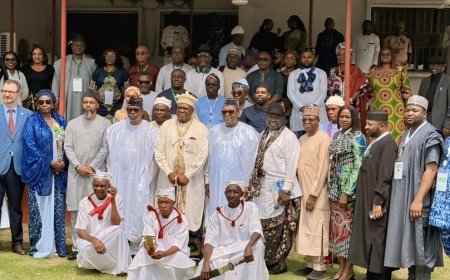
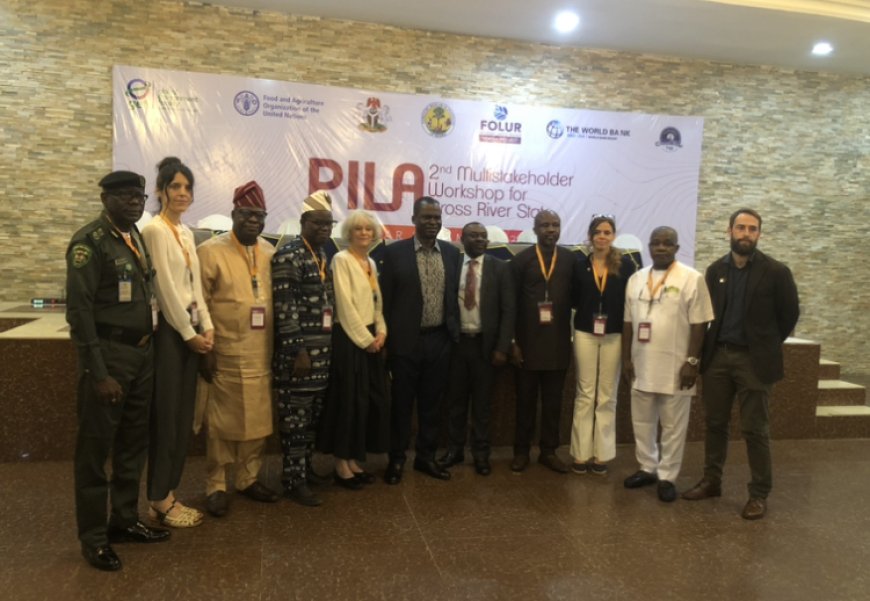
Key stakeholders in Nigeria’s agriculture and environmental sectors have converged in Calabar for a multi stakeholder workshop aimed at addressing deforestation and promoting sustainable land use in the Niger Delta region.
The four-day workshop, organised by the Food and Agriculture Organisation in collaboration with the Federal Government, forms part of the implementation of the GEF 7 Food Systems, Land Use and Restoration Project in Nigeria.
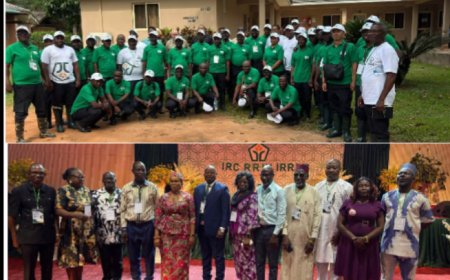
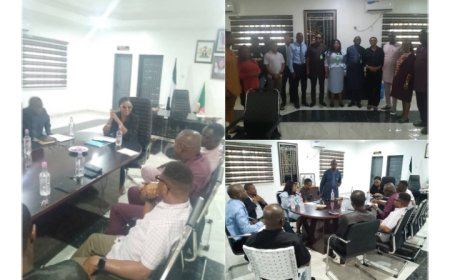
The event, holding at Dannic Hotel from May 5 to 8, marks the second round of the Participatory Integrated Landscape Approach workshop. It has drawn participants from government agencies, development organisations, traditional institutions, farming communities, private sector actors and civil society groups.
Participants are expected to validate Integrated Landscape Management Plans and develop Local Government Integrated Land Use Plans for Cross River and Ondo states.
Speaking at the opening ceremony, FAO PILA Coordinator, Moren Moller, said the workshop was a continuation of earlier engagements focused on strengthening collaboration and developing practical solutions for sustainable land management.
According to him, stakeholders had previously met in Calabar more than a year ago to examine challenges affecting agriculture, forestry and land use while also developing a shared vision for transformation.
“Today marks the next step in that journey, from vision to action, by working towards a concrete framework that will guide integrated landscape management across the state in the years ahead,” he said.
Moller stressed the importance of collaboration and knowledge sharing among stakeholders, urging participants to contribute actively toward innovative strategies that would support sustainable agriculture and improve livelihoods.
Also speaking, the Secretary to the Cross River State Government, Anthony Owan Enoh, emphasised the urgent need to protect forest resources while improving agricultural productivity.
He noted that sustainable land management must involve local communities, especially farmers who are directly affected by environmental degradation.
Enoh further highlighted the importance of inclusive participation in addressing challenges facing agriculture and forestry.
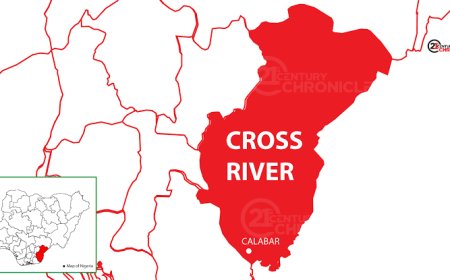
On his part, the Chief Technical Adviser for the project, Adebayo Shittu, described Cross River as a critical state for the initiative because of its vast forest reserves and biodiversity.
“Most of Nigeria’s remaining forests are found in Cross River State, but they are being lost at an alarming rate,” he stated.
“This project is designed to support sustainable land use while enhancing food security and preserving ecosystem services,” he added.
Shittu explained that although the project focuses on the Niger Delta region, Cross River and Ondo states were selected as pilot locations because of their strategic roles in cocoa and oil palm production.
In a keynote address delivered on behalf of the Commissioner for Agriculture, the Technical Director, Nicholas Obun Dan, reaffirmed the state government’s commitment to sustainable agriculture and environmental conservation.
He warned that increasing pressure from agricultural expansion and land degradation continues to threaten ecosystems and livelihoods, stressing the need for coordinated and inclusive action.
“The FOLUR project provides a strategic pathway to balance productivity with environmental sustainability while strengthening collaboration among stakeholders,” he said.
The FOLUR programme, a 345 million dollar initiative supported by the Global Environment Facility and led by the World Bank, is focused on transforming food systems and reducing the environmental impact of commodities such as cocoa and oil palm.
Experts at the workshop warned that the Niger Delta’s rainforests, globally recognised for their biodiversity and carbon storage capacity, are rapidly declining due to unsustainable farming practices and poor land use management.
The ongoing sessions are expected to produce actionable policy recommendations, strengthen stakeholder capacity and establish a roadmap for sustainable land use across participating states.