





























PRISMA Builds Support Ahead of Cross River Rollout

By Ekanem Asuquo
As anticipation mounts for its formal unveiling, the Pregnancy Risks, Infant Surveillance and Measurement Alliance programme is quietly gaining ground in Cross River State, drawing support from traditional institutions, government officials, healthcare providers and grassroots communities.
The initiative, known as PRISMA, is not arriving as a routine research project. It is unfolding as a carefully coordinated effort to confront one of Nigeria’s most persistent public health challenges, maternal and infant mortality, through collaboration, data and community driven action.
In recent weeks, the PRISMA team has intensified consultations across the state, engaging critical stakeholders in what observers describe as a strategic push to build trust, secure participation and ensure long term impact.
At the centre of the initiative is a major international study designed to track pregnancy outcomes and associated risks among women and newborns. The project in Cross River is led by Professor Martin Meremikwu, a consultant pediatrician and a renowned gynaecologist, Professor Saturday Etuk both from the University of Calabar. It forms part of a wider multi country effort spanning India, Pakistan, Kenya, Ghana, Zambia and Nigeria.
Beyond the technical framework, however, the initiative is rooted in engagement. From royal palaces to policy offices, stakeholders are aligning around a shared goal, reducing preventable deaths among mothers and infants.
At the Council of Chiefs Chambers in Calabar, traditional rulers openly pledged their support. Chairman of the Cross River State Council of Chiefs, Ovai Solomon Osim Edward, described the intervention as both urgent and necessary.
“We are fully committed to supporting this research because it addresses a crisis that has lingered for too long in our communities,” he said. “We cannot continue to lose our women and infants to preventable causes.”
He pointed to limited access to healthcare, harmful cultural practices and delays in seeking medical attention as major contributors to the problem, particularly in rural areas.
Echoing similar sentiments, Itam Hogan Itam, Paramount Ruler of the Efut Kingdom and a professor of gynaecology, underscored the importance of evidence based interventions.
“This research will significantly improve pregnancy outcomes and reduce infant mortality when successfully implemented,” he said. “We will mobilize our communities and ensure our people understand the importance of participating.”
The wave of support has also extended to key health institutions. At the Nigerian Navy Reference Hospital in Calabar, Commandant Surgeon Commodore A. S. Mohammed welcomed the collaboration, describing it as a step in the right direction.
“We are delighted to be part of deliberate efforts aimed at addressing the disturbing rate of maternal and infant deaths,” he said. “The data generated from this research will guide policy formulation, improve service delivery and strengthen healthcare reforms.”
He added that involving hospital personnel in the project would enhance their research capacity and practical experience.
“We want to be part of the process and ensure that the outcomes are domesticated for lasting impact,” he said.
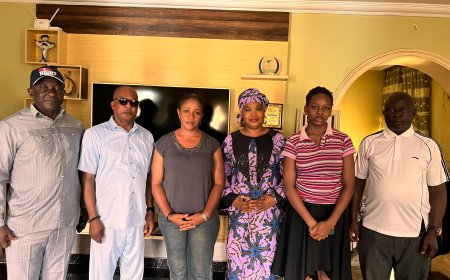
At the policy level, the Cross River State Government has signaled readiness to partner with the research team. Commissioner for Health, Dr Henry Ayuk, said the objectives of PRISMA align with the administration’s drive to strengthen healthcare delivery through data and innovation.
“The focus of this programme is in line with our commitment to data driven healthcare services,” he said. “We are ready to collaborate to ensure that the goals of reducing maternal and infant mortality are achieved.”
Also lending support, the Senior Special Adviser to the Governor on Health, Dr Ekpo Ekpo Bassey, commended the research team for attracting international interventions and resources to the state.
“We are proud of the efforts to bring impactful research, equipment and support that will strengthen our health system,” he said, assuring that government would sustain collaboration and reforms to improve outcomes.
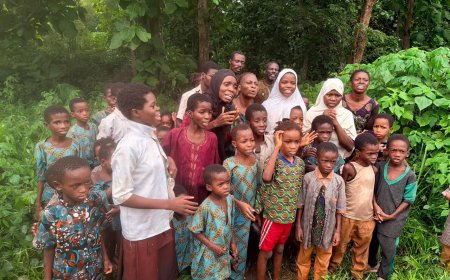
At the grassroots, the PRISMA team has continued its outreach, engaging community leaders, health workers and residents across Calabar Municipality, Calabar South and surrounding areas. These interactions are aimed at building trust and ensuring that communities are not just participants but partners in the process.
The study itself will enroll pregnant women at early stages of pregnancy through both community and facility based surveillance. Participants will be monitored through antenatal care, delivery and up to one year after childbirth, generating comprehensive data on maternal and infant health.
Nationwide, the project targets 10,000 participants, with Cross River contributing a significant share over a two to three year period.
For Professor Meremikwu, the approach is deliberate and people centered.
“This is not just about collecting data,” he said. “It is about understanding realities and using that knowledge to design interventions that will save lives.”
As the unveiling draws near, PRISMA is steadily evolving into more than a research initiative. It is becoming a shared commitment, one that brings together science, policy and community voices in a united effort to safeguard the lives of mothers and their children.