


















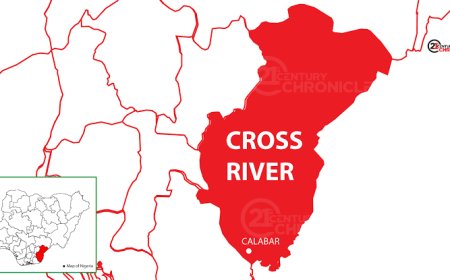










Otu Signs Four Major Bills to Transform Health, Education, Sanitation in C'River

By Benjamin GBOR
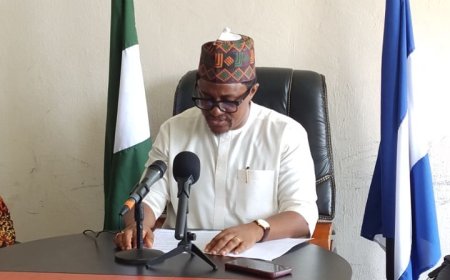
The Governor of Cross River State, Bassey Otu, has officially signed into law four major reform bills aimed at boosting the state’s healthcare system, advancing education, and improving environmental sanitation.
These legislative measures, once fully implemented, are expected to enhance service delivery across critical sectors and support sustainable development throughout Cross River State.
The new laws include:
College of Health Sciences, Management and Technology Law, Cross River State Hospital Management Board Law, Open Defecation Prohibition Law, Senior Secondary Education Board Law.
According to the government, these enactments form part of ongoing efforts to strengthen governance and elevate the quality of life for residents across the state.
In the education sector, the administration has transformed a former health institution into a full-fledged College of Health Sciences, Management and Technology. Officials note that this upgrade will broaden academic offerings and create more opportunities for young people to gain skills in health, management, and technology.
Additionally, the governor approved the creation of the Senior Secondary Education Board, which is to oversee senior secondary schools across Cross River State. The board is expected to improve coordination, enhance academic standards, and ensure better learning outcomes for students.
In healthcare, the Hospital Management Board Law introduces a structured framework for managing public hospitals. A central board will now supervise general hospitals, while individual hospital management teams will handle daily operations. This system aims to strengthen oversight, reduce bureaucratic delays, and improve the efficiency of healthcare delivery.
On environmental matters, the Open Defecation Prohibition Law requires homes, businesses, and public areas to provide adequate sanitation facilities.
The legislation is designed to eliminate open defecation, reduce hygiene-related diseases, and foster cleaner, healthier communities, especially in rural areas.