


























Microfinance is Key in Driving Economic Growth ~ Irom

A Nigerian banker and agribusiness investor, Irom Emmanuel James, has highlighted the critical role of microfinance banking in driving economic growth, agricultural expansion, and youth development across the country.
Speaking on his professional journey and interventions in an interview on Tuesday in Calabar, Irom, who began his banking career in 2014 as an IT specialist, said he rose through the ranks to become a managing director in multiple financial institutions. He currently serves as Managing Director of Vista Microfinance Bank, having previously held leadership roles at Lawyers Microfinance Bank, Otech Microfinance Bank, and First Royal Microfinance Bank.
Reflecting on his achievements, he stated, “Since 2021, I have attracted over N70 billion in capital into the microfinance sector and resuscitated more than 29 ailing microfinance banks. We have also acquired over 20 new licences.”
He added that his work has helped bridge the gap between fintech companies and microfinance institutions, facilitating partnerships that have expanded financial inclusion. According to him, “We brought fintech players into the microfinance space, and today the results are visible.”
Irom cited a recent transaction involving the acquisition of a microfinance institution he helped establish, describing it as evidence of the sector’s growing value.
Beyond banking, he has made significant investments in agriculture, particularly in rice and palm farming, as well as processing. He explained that his agricultural venture began in Taraba State after acquiring a microfinance bank with existing rice fields, although operations were later disrupted by security challenges.
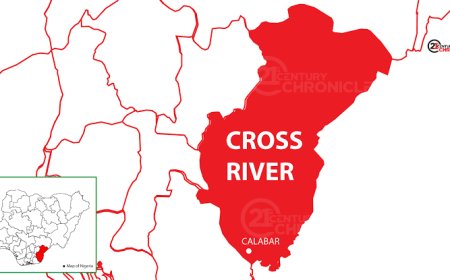
Returning to Cross River State, his home state, he established a semi-mechanised palm processing facility in Obubra and acquired a cassava starch processing factory through a state concession programme. The facility, located on over 40,000 hectares of farmland, is designed to support cassava farmers while producing starch and ethanol for export.
“Our goal is to fund farmers, off-take their produce, and process for both local use and export. Agriculture is a lifelong commitment for us,” he said.
On policy, Irom stressed that microfinance institutions must be empowered to provide affordable credit, especially to farmers and small businesses. He criticised the high interest rates often charged to small borrowers, arguing that such conditions hinder productivity and deepen poverty.
“Microfinance is supposed to be the cheapest access to funding for farmers. When interest rates go as high as 60 to 70 per cent, it defeats the purpose,” he noted, calling for reforms to align lending rates with developmental goals.
He also underscored the importance of financial literacy, noting that microfinance banks are structured not only to provide funding but also to educate clients on managing resources effectively.
In the education sector, Irom disclosed that he is currently building a large secondary school in Obubra to address infrastructure gaps and improve access to quality learning. The project, which will include boarding facilities and modern technology, is being funded through the Irom's Foundation to ensure affordability.
He explained that the initiative was inspired by challenges faced by students in the area, including poor school infrastructure and the absence of Computer-Based Test (CBT) centres for national examinations.
“We discovered that children travel long distances to write exams. That is unacceptable, and we are addressing it,” he said.
Through the foundation, he has also sponsored scholarships for students and organised annual essay competitions in memory of his late father.
On youth development, Irom expressed concern over unemployment, attributing it partly to a lack of practical skills. He urged young people to acquire vocational training alongside formal education.
“Every young person should learn a trade. Skills are essential for sustainability and business success,” he advised.
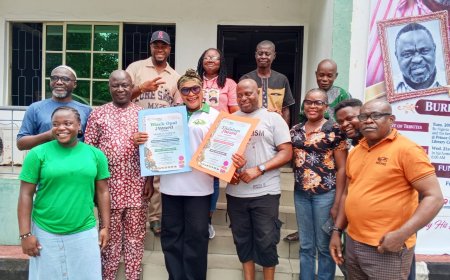
His corporate social responsibility initiatives include medical outreaches, distribution of food and clothing to vulnerable groups, and support for small businesses. In February 2026, he organised a free medical outreach that benefited over 500 widows and persons with disabilities, providing treatment for4 common illnesses and distributing essential supplies.
He also implemented a six-month transport scheme for farmers to reduce production costs and improve output, alongside funding schemes for youth entrepreneurship and support for local employment opportunities.
Irom further noted his involvement in community peace-building efforts and initiatives aimed at supporting displaced persons during local crises.
He maintained that sustainable development in Nigeria requires a coordinated approach linking finance, agriculture, education, and grassroots empowerment.