
























Express Lane Democracy
There is efficiency and then there is whatever our National Assembly has recently turned governance into. If law-making were a courier service, Nigerians would have stopped complaining about delayed deliveries. Because these days, once a request leaves the Executive, it doesn’t just arrive at the legislature, it practically teleports.
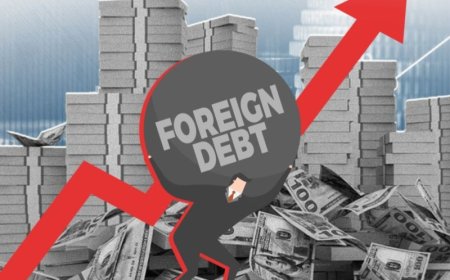
Loan requests? Cleared with the speed of a student submitting an assignment five minutes before deadline. Tax bills? Treated like emergency surgery, no time for second opinions. Electoral reforms? Handled with such confidence you would think the future had already been rehearsed and approved backstage.
Now, before anyone accuses one of being uncharitable, let it be said that there is nothing wrong with harmony in government. Nobody wants a legislature that quarrels over everything, like neighbours fighting over who owns the mango tree. But harmony is one thing, synchronised swimming is another. And what we are witnessing looks less like oversight and more like choreography.
One begins to wonder if our lawmakers still keep that old textbook definition of “checks and balances.” Because, truth be told, when approvals begin to look like formalities, even the rubber stamp might start complaining of overwork.
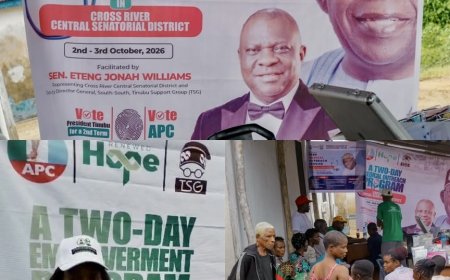
Of course, in politics, nobody claps with one hand. Such loyalty, such smooth cooperation, must surely come with expectations. And the expectation though not written in any constitution, was simple enough. How? When the time comes, the favour will be returned. Tickets will be issued. Seats will be secured. Everybody goes home smiling.
Ah! But Nigerian politics has a way of inserting a plot twist just when the audience thinks they understand the script. The same lawmakers who have been operating on “express clearance” are now hearing a different announcement: Please proceed to your governors for further processing. Translation? What looked like automatic qualification has suddenly become a competitive entrance exam. One can almost imagine the confusion.
After all those accelerated passages, after all the legislative sprinting, the finish line has politely shifted. And instead of a red carpet, there is now a queue. A long one. With forms. And gatekeepers. Irony does not get better than this. It is like a man who has been opening doors for others all day, only to return home and discover he must knock and explain himself before entering his own house.
Perhaps, just perhaps, this is democracy’s quiet way of restoring equilibrium. A gentle reminder that institutions are not designed to impress one another, but to restrain, question, and occasionally inconvenience. Because governance, despite all appearances, is not supposed to be a fast-food joint where orders are taken and served in minutes. It is closer to a proper kitchen ingredients must be measured, tasted, and sometimes, yes, argued over.
So, as our lawmakers adjust to this new reality, this unexpected detour from the express lane, one hopes a small lesson lingers. Next time a bill arrives wearing the urgency of a midnight alarm, it might not hurt to slow down, read the fine print, and ask a few uncomfortable questions. Not because delay is fashionable but because tomorrow has a way of asking for receipts.
And in this business, memory, unlike legislative speed, can be stubbornly slow to fade.