























EFCC Decries Rising Cybercrime in Varsities, Probes Embattled Vice Chancellors
By Benjamin Gbor
The Economic and Financial Crimes Commission has raised concern over increasing financial misconduct and cybercrime within Nigerian universities, while also confirming ongoing investigations involving some Vice Chancellors over alleged fraud and financial irregularities.
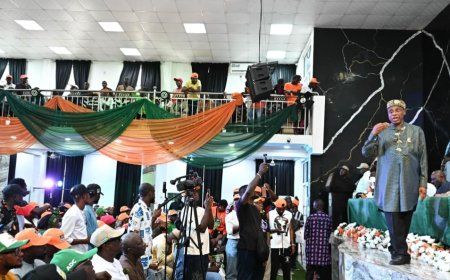
Chairman of the Commission, Olanipekun Olukoyede, made this known at the opening of the 8th Biennial Conference of the Committee of Pro Chancellors of State Owned Universities of Nigeria in Kano.
He said several tertiary institutions are currently under investigation for alleged contract inflation, diversion of students’ registration fees, ghost workers and other financial infractions involving university administrators.
Olukoyede warned that university officials managing multi billion naira budgets are not immune to scrutiny, stressing that such abuses amount to a betrayal of trust placed in the education system by parents, students and government.
He stated that “the EFCC has investigated cases involving inflated contracts, ghost workers and diverted student fees in tertiary institutions across the country,” adding that some Vice Chancellors are already facing criminal scrutiny.
He further revealed that “just this last week, I had a call to file a charge against a vice chancellor who just left the system,” indicating the scale of ongoing probes.
Beyond financial crimes, the EFCC boss expressed concern over what he described as a surge in cybercrime among undergraduates.
He said intelligence from investigations suggests that about six out of every ten university students may be involved in internet fraud and related offences.
“My research in the last year has shown that about six out of ten students in our universities are into cybercrime. It is a very disturbing situation,” he said.
Olukoyede added that many of those arrested in recent operations were students, some allegedly involved in compromising academic processes by influencing lecturers.
He also referenced a major Lagos operation where 792 suspects linked to a cybercrime syndicate were arrested, noting that a significant number were undergraduates.
According to him, the operation, supported by Artificial Intelligence tools, exposed the growing sophistication of cybercrime networks operating within and outside Nigeria.