

















THE RURAL WOMAN: A PILLAR OF THE FAMILY AND THE NATION
Celebrating the International Day of Rural Women, October 16
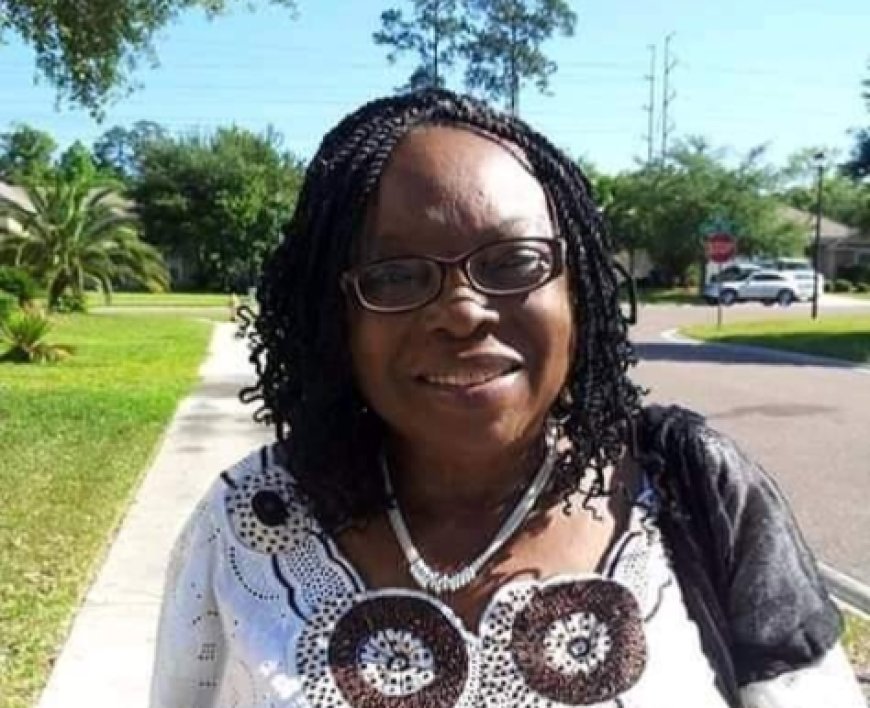
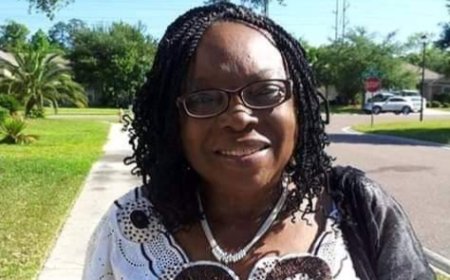
-Dame, Ntunkae, Lady Margaret Ntiti
As we celebrate the International Day of Rural Women on October 16, it is necessary for me to acknowledge the efforts of countless women in our villages and rural communities whose quiet sacrifices, hard work, and resilience have helped to sustain our families, preserve our traditions, and nourish our nation. Having spent many years as a teacher and having experienced the realities of farming and rural life, I have come to appreciate the remarkable contributions of these women. Their efforts may not always attract public attention but their importance to our society cannot be overstated.
For instance, in our traditional African communities, the woman occupies a place of great significance. She is a mother, a wife, a farmer, a trader, a homemaker, and, in many instances, a breadwinner. From the early hours of the morning until late in the evening, she works tirelessly to provide for her family. She may rise before dawn to prepare meals, fetch water, attend to her children, and proceed to the farm, where she plants, weeds, harvests, and gathers the produce that feeds her household and supplies our markets. Some engage in petty trading, processing agricultural produce, weaving, pottery, and other traditional occupations to supplement their family income. Much of this labour is undertaken without adequate equipment, financial support, or the recognition it deserves.
An African proverb reminds us that “The woman is the backbone of the home.” Indeed, in many rural households, the woman is the quiet force that holds everything together. Her contribution extends beyond the kitchen and the farm. She nurtures children, instils moral values, preserves our cultural heritage, and teaches the younger generation the virtues of honesty, patience, respect, and hard work. In this way, she helps to lay the foundation upon which our communities and our nation are built.
As a farmer, I know that the land does not yield its fruits without labour, patience, and care. The same can be said of the rural woman, who invests her strength and time in activities that sustain life. She understands the seasons, the soil, the seeds, and the patience required to obtain a good harvest. Like the farmer who waits for the rain after sowing, she often works with hope, trusting that her efforts will eventually bring rewards. As the African proverb says, “However long the night, the dawn will break.” This spirit of hope has kept many rural women going through difficult economic circumstances and the uncertainties of everyday life.
Yet, while we admire their resilience, we must not overlook the hardships they face. Many rural women still lack access to good roads, clean water, adequate healthcare, modern farming equipment, affordable credit, and proper storage facilities for their produce. Some cultivate land they do not own, while others struggle to obtain fair prices for their farm produce. The rising cost of living, changing weather conditions, and the increasing cost of agricultural inputs have added to their burdens. In some communities, the absence of adequate educational opportunities continues to limit the prospects of young girls and women.
It is therefore not enough to praise rural women for their ability to endure hardship. We must also strive to make their lives easier and more rewarding. Governments at all levels, traditional rulers, community leaders, development organisations, and well-meaning individuals should give greater attention to their needs. Rural women deserve access to agricultural training, improved seedlings, affordable loans, cooperative societies, functional healthcare facilities, and markets where their produce can command reasonable prices. They should also have opportunities to participate in decisions affecting their families, farms, communities, and livelihoods. After all, a woman who contributes to the development of her community deserves a voice in determining its future.
As a retired teacher and educationist, I cannot overemphasise the importance of education in improving the lives of rural women. Education is not merely the ability to read and write, it is also the acquisition of knowledge and skills that enable people to make informed decisions and improve their circumstances. The rural girl-child deserves the same educational opportunities as her urban counterpart. No girl should be denied an education simply because she was born in a village or into a family of limited means. Our parents, community leaders, and governments must work together to ensure that poverty, distance, and outdated practices do not deprive our daughters of the opportunity to fulfil their potential. Adult literacy programmes and vocational training should equally be encouraged so that women who missed formal education can continue to learn and improve their livelihoods. As the African proverb reminds us, “Knowledge is a garden; if it is not cultivated, it cannot be harvested.”
Consequently, we must also recognise that rural women possess valuable indigenous knowledge acquired through years of experience. They understand local crops, food preservation, traditional medicine, soil management, and many other practices that have sustained rural communities for generations. Such knowledge should not be discarded in the name of modernisation. Rather, it should be respected and combined with useful scientific and technological innovations to improve agricultural productivity, food security, and household welfare.
To our rural women, particularly our mothers, sisters, wives, daughters, and grandmothers across Nigeria, I offer a word of encouragement. Never regard your humble circumstances as a measure of your worth. The fact that you live in a village, cultivate a small farm, or engage in petty trading does not diminish your dignity or your contribution to society. You are part of the foundation upon which our families and communities stand. Continue to work diligently, support one another, encourage your children to acquire an education, and pass on the good values that have sustained our communities. Where opportunities exist, embrace new knowledge, join cooperative groups, and explore ways of improving your farming and businesses. As the saying goes, “Little by little, the bird builds its nest.” Meaningful progress often begins with small, consistent efforts.
At the same time, our society must understand that the strength of rural women should not be measured solely by how much suffering they can endure. They, too, deserve rest, good health, economic security, and the opportunity to enjoy the fruits of their labour. They deserve to live with dignity and to see their children grow in an environment where education, healthcare, and decent living conditions are not privileges reserved for a fortunate few.
To our younger generation, especially those who have left their villages for greener pastures in the cities, I appeal that you should not forget your roots. Remember the mothers and grandmothers whose labour helped to feed and raise you. Remember the rural communities that shaped your character and gave you your first lessons in life. Wherever you find yourselves, look for ways to contribute to the development of those communities. The knowledge, experience, and resources you have acquired can help create better opportunities for rural women and the generations that will follow them.
As we mark this year’s International Day of Rural Women, let our celebration go beyond speeches, greetings, and ceremonial activities. Let it inspire practical efforts to improve the lives of the women who work tirelessly to feed our families, sustain our rural economies, and preserve our cultural heritage. We should remember that when rural women prosper, their families benefit, their communities grow stronger, and the nation moves forward.
An African proverb says, “If you want to go far, go together.” The advancement of rural women requires the collective commitment of governments, families, community leaders, farmers’ associations, and society at large. We must work together to ensure that their labour receives fair recognition, their rights are respected, and their contributions are matched by meaningful support.
It is on this note that I salute the rural woman for her patience, courage, resourcefulness, and unwavering commitment to her family and community. Her work may often be done quietly, but its impact is far-reaching. As an educationist, a retired teacher, and a farmer who appreciates the realities of rural life, I believe that no meaningful effort to develop Nigeria can succeed if the rural woman is neglected.
Let us, therefore, celebrate her not only on October 16 but every day, through our actions, our policies, and our concern for her welfare. May her hands reap the rewards of their labour, may her children have brighter opportunities, and may our rural communities enjoy the development they so richly deserve.
Happy International Day of Rural Women to all our hardworking and deserving rural women in Nigeria and across Africa. May your invaluable contributions never be forgotten, and may the future bring you greater opportunities, dignity, and fulfilment.