































Maternal Health: PRISMA Enrolls Pregnant Women in C'River
By Ekanem Asuquo
The Pregnancy Risks, Infant Surveillance and Measurement Alliance (PRISMA) has commenced the enrollment of pregnant women in Cross River State, marking the full implementation of the international maternal and child health research programme after months of intensive stakeholder engagement.
The initiative, which has secured the support of government officials, traditional rulers, religious leaders, healthcare providers and community groups, is currently enrolling eligible pregnant women in Calabar Municipality, Calabar South and Biase local government areas.
Women who qualify for the programme will receive free antenatal and postnatal care, safe delivery services, Caesarean section where medically required, hospital treatment and healthcare for both mother and child for one year after delivery through designated public and private health facilities.
Speaking on the commencement of enrollment, PRISMA Community Engagement Lead, Professor Anne Meremikwu, described the exercise as a significant milestone in the implementation of the project. She said the study is designed to identify factors responsible for adverse pregnancy outcomes and generate scientific evidence that will improve maternal and newborn healthcare.
Professor Meremikwu expressed appreciation to government authorities, traditional institutions, religious organisations, traditional birth attendants and community members for their strong support, noting that the level of acceptance recorded during stakeholder consultations was encouraging.
"We are pleased with the commitment shown by government officials, traditional rulers, religious leaders and traditional birth attendants. The enthusiasm demonstrated by communities during our engagement gives us confidence that many eligible pregnant women will participate in the programme," she said.
Project Manager, Mrs. Chisom Aquaisua, said the commencement of enrollment represents an important phase of the research, adding that the project team is committed to identifying and following eligible participants throughout pregnancy, childbirth and the postnatal period.
She urged expectant mothers in participating communities to register for the programme, explaining that apart from providing quality healthcare services, the project will also generate data to support efforts aimed at reducing maternal and infant mortality.
Community leaders also welcomed the initiative.
The Clan Head of Ikot Ansa, Ntoe Paul Asim Ita, described the project as timely and beneficial, assuring the research team of the community's full cooperation. He pledged to mobilize residents to ensure that all eligible pregnant women participate in the programme.
Similarly, the Chairman of the Ward 10 Development Committee and Secretary of the Ikot Omin Traditional Rulers Council, Pastor Bernard Itu, said the initiative would expand access to quality maternal healthcare while helping to reduce preventable deaths among mothers and newborns.
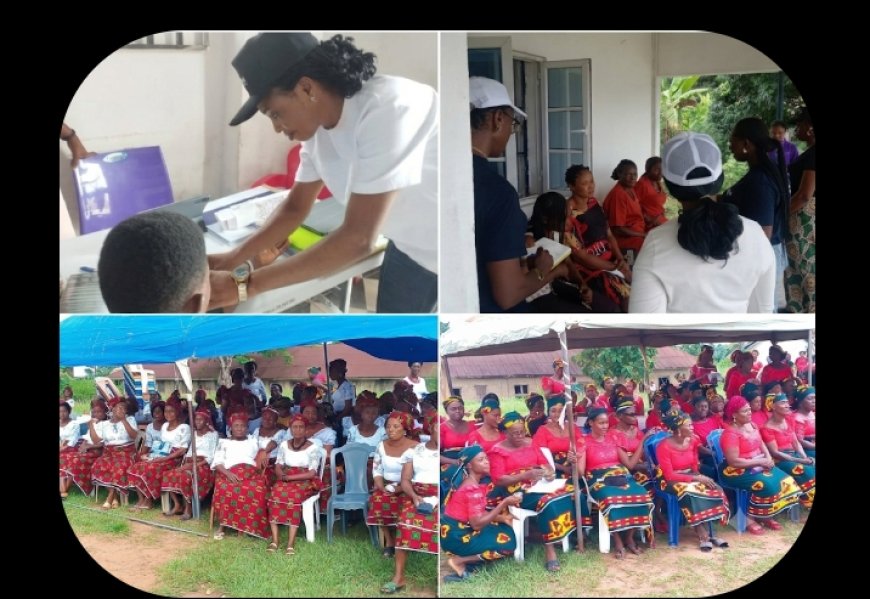
At a community mobilization rally in Adim, President of the Adim Women Biase Association, Mrs. Mary Patrick, disclosed that her association, which has more than 1,000 members across Biase Local Government Area, had embarked on an extensive awareness campaign to encourage eligible pregnant women to enroll.
According to her, the association has intensified community sensitization because of the enormous health benefits attached to the programme.
She also commended the provision of modern medical equipment to health facilities under the project, expressing hope that the intervention would be sustained and expanded to benefit more communities across the state.
PRISMA is a multicountry research initiative focused on monitoring pregnancy outcomes and identifying factors associated with maternal and infant mortality. In Nigeria, the project is led by Professor Martin Meremikwu and Professor Saturday Etuk of the University of Calabar.
The programme aims to enroll thousands of pregnant women and monitor them from early pregnancy through childbirth and the first year of their children's lives. Findings from the study are expected to provide evidence that will guide policies and interventions aimed at improving maternal and child health in Nigeria.