


















Invest in Marine Science to Harness Ocean Wealth, Don Charges Government
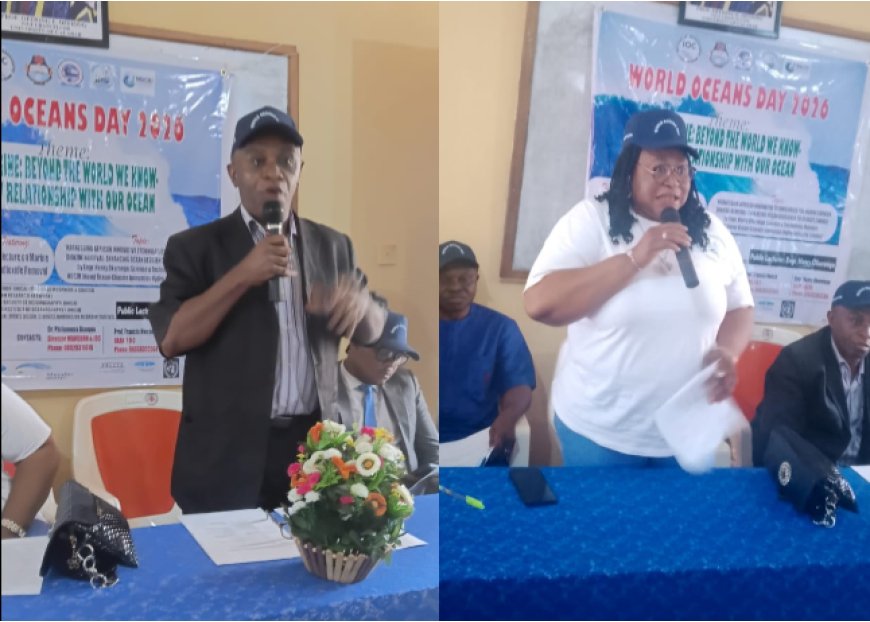
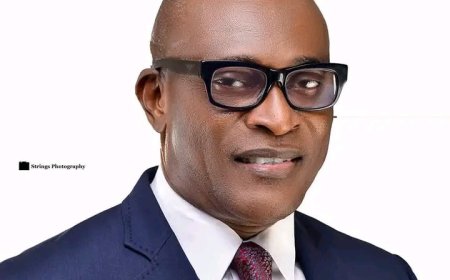
The Dean of the Faculty of Oceanography, University of Calabar( Unical), Prof. Francis Nwosu, has charged the Federal Government to invest in marine science and manpower development to unlock Nigeria’s vast but largely untapped ocean resources and secure the future of coastal communities.
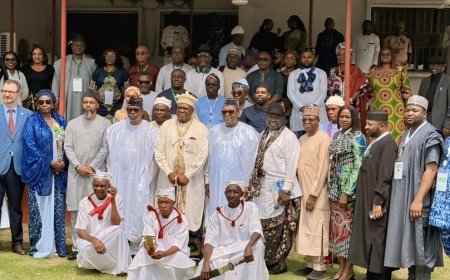
He made the charge during the 2026 World Oceans Day celebration organised by the Faculty/Institute of Oceanography, Unical with the theme “Reimagine: Beyond the World We Know – A New Relationship With Our Ocean”.
The Don described World Oceans Day as a global event that reminds nations of their responsibility to protect marine ecosystems while leveraging them for sustainable development.
According to him, UNICAL is prepared to be at the forefront of marine research and development in Nigeria.
He urged the government to provide adequate funding and modern facilities so the institution can fully harness the rich resources in the ocean.
Prof. Nwosu warned that coastal cities are in danger as human activities continue to drive climate change.
He also called on the University Management to give priority attention to marine sciences and the training of students to enable the institution benefit maximally from research, innovation and blue economy opportunities.
The Dean stressed that Nigeria must invest in conservation and protect its environment and ocean to mitigate the impact on lives and livelihoods.
Prof. Nwosu commended President Bola Ahmed Tinubu for creating the Ministry of Marine and Blue Economy, describing it as a strategic move that recognizes the economic potential of Nigeria’s oceans and waterways.
He said the ministry provides a policy framework that can drive investment, regulation and sustainable exploitation of marine resources if backed with adequate funding and political will.
Prof. Nwosu lamented that Nigeria has not explored its coastal waters up to 1 percent, despite oceans covering 71 percent of the earth’s surface.
He said the ocean remains very rich but has not been explored maximally, and Nigeria is yet to fully utilize the vast resources in its maritime domain for economic growth and food security.
Earlier, the Director of the Institute of Oceanography, Dr. Philomena Edet Asuquo, said the theme of this year’s World Oceans Day calls on everyone to rethink not only how we use the ocean but how we value, protect, and connect with it, and to recognize its vital role in sustaining life on earth.
She noted that in recent times, coastal communities, particularly fishermen, have lamented how rising pollution and dwindling fish stocks are affecting their lives.
“Their stories remind us that the health of our oceans is not abstract, but deeply tied to human lives, livelihoods, and our shared future,” she said.
Dr. Asuquo further stressed that the oceans provide food for billions, regulate the earth’s climate, sustain marine biodiversity, and continue to inspire wonder across generations.
She said protecting them is therefore not a choice, but a responsibility for present and future generations.
“Let us use this day to reimagine our oceans, not just as distant waters but as essential, living parts of our world that we are duty bound to protect,” Dr. Asuquo said.
Guest speaker, Engr. Henry Okoroego, Science and Technology Manager at Novel Ocean-Climate Innovation Hydro-Initiative, urged stakeholders to prioritize marine ecosystems in national planning.
“We must put the ocean first in our conservation agenda if we truly want a sustainable future,” he said.
Engr. Okoroego added that investment in ocean data, clean technology and community-based monitoring would be key to reversing ocean degradation and building resilience along Nigeria’s coastline.
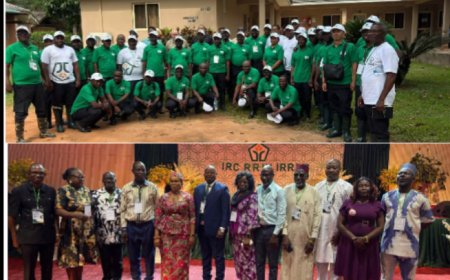
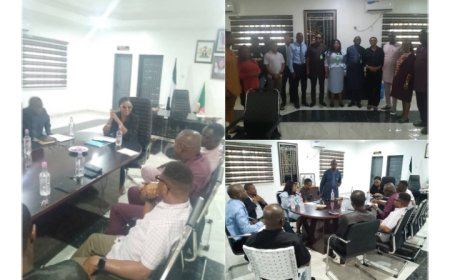
Students, lecturers and other stakeholders attended the event, which featured an interactive session with discussions on marine biodiversity, climate change impacts, and career opportunities in the blue economy.