



















WHEN SECURITY CHECKPOINTS FAIL THE PUBLIC
By Benjamin GBOR
At a time when insecurity continues to threaten lives and livelihoods across Nigeria, one would expect every layer of the country’s security architecture to be alert, disciplined, and purposeful.
Unfortunately, what many Nigerians experience daily on highways tells a very different story, one that questions the true role of security personnel on our roads.
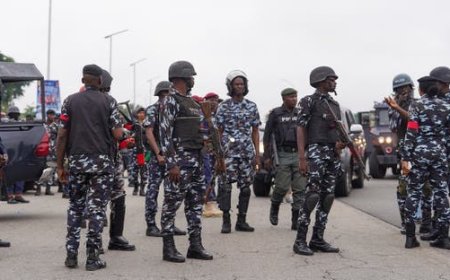
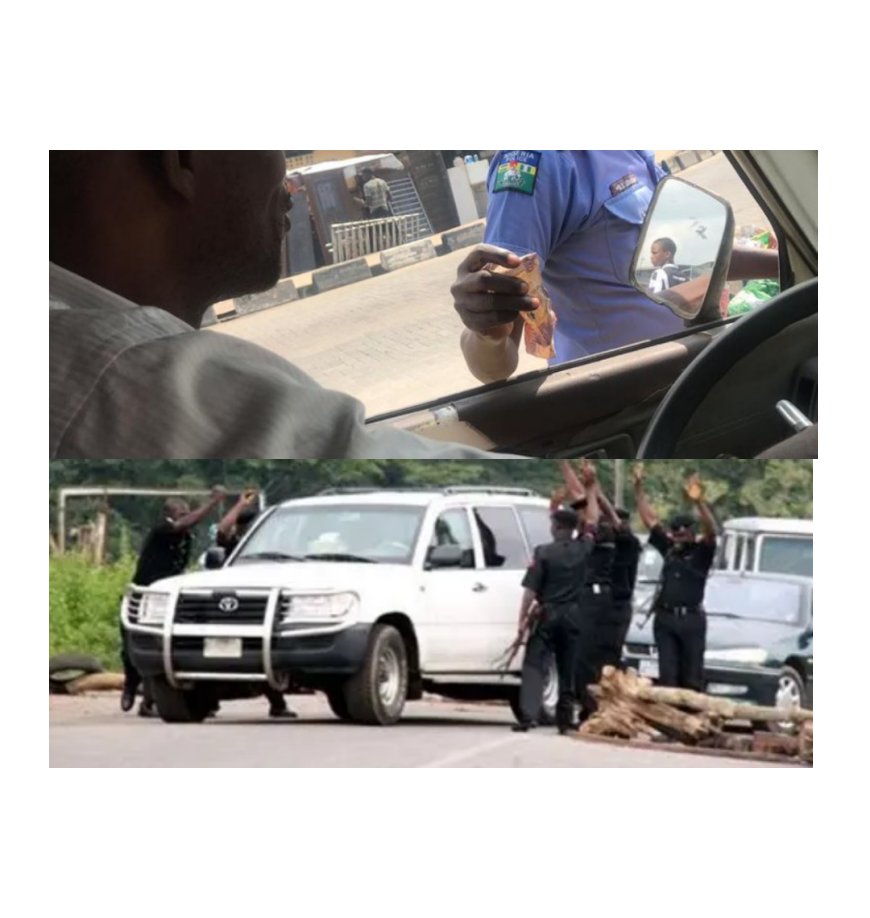
It is now routine to see security operatives mounting checkpoints across major highways, stopping vehicles particularly commercial and covered trucks, not for thorough inspections, but for quick, informal transactions. Money changes hands, drivers are waved through, and the process repeats itself with consistency. The troubling part is not just the act itself, but what it represents: a complete breakdown of duty in a country that desperately needs vigilance.
It is, quite frankly, ridiculous that the safety of Nigerian citizens is, in many cases, traded away for as little as a ₦200 note.
The essence of these checkpoints is supposed to be public safety. Nigeria is facing real security threats, arms trafficking, kidnapping networks, smuggling, and other organised crimes that rely on road transportation. Covered trucks, in particular, should naturally attract careful scrutiny, given their potential to conceal dangerous items or even abducted victims. Yet, when such vehicles are routinely allowed to pass unchecked after a token exchange, it sends a dangerous message that security has been compromised at the most basic level.
This practice does more than weaken security, it erodes public trust. Citizens begin to see security personnel not as protectors, but as opportunists. The psychological impact of this cannot be overstated. When people lose faith in those meant to protect them, cooperation declines, cynicism grows, and the gap between the public and law enforcement widens. In the long run, this makes effective policing even more difficult.
There is also the economic dimension. Transporters factor in these “unofficial fees” as part of their operating costs, which ultimately trickle down to ordinary Nigerians in the form of higher prices for goods. What may seem like small, individual acts of extortion collectively becomes a systemic burden on the economy.
To be clear, it is not all security personnel that engage in these practices. There are still disciplined officers who carry out their duties with integrity. However, the visibility and frequency of these roadside exchanges have become too much to ignore or dismiss as isolated cases. Silence or inaction only normalises the behavior.
If security checkpoints are to remain on Nigerian roads, they must serve their intended purpose. This means proper vehicle checks, professional conduct, and zero tolerance for extortion. Supervisory mechanisms must be strengthened, and officers found guilty of misconduct should face real consequences, not just transfers or warnings, but enforceable disciplinary action.
But if these standards cannot be upheld, what is the point of these checkpoints? If they fail to enhance security and instead contribute to corruption and inefficiency, then their presence becomes more harmful than helpful.
Nigeria cannot afford symbolic security. Every security measure must be effective, not performative. Standing on the road should mean something. If it does not, then it is time to rethink the system entirely.
Because at the end of the day, Nigerians do not need checkpoints that collect money, they need security that protects lives.
GBOR is a final year student at the Department of Mass Communication, University of Calabar.