

















OPINION: When Silence Speaks
By Lanre Ogundipe
There is a Yoruba proverb that has endured through generations because of the profound truth it conveys:
"Adákẹ́ máa f'ohùn; a mọ ẹni tí ń ṣe."
Loosely translated, it reminds us that the one who keeps silent gives little indication of where he stands. Silence conceals allegiance. It masks conviction. It leaves others to wonder whether it springs from wisdom, fear or indifference.
Yet silence itself is neither a virtue nor a vice. Like words, its value depends upon its purpose. Our forebears understood this distinction. They never celebrated reckless speech. The elder who spoke on every matter was seldom regarded as the wisest. There was honour in restraint, dignity in measured utterance and strength in listening before speaking. Silence, in such circumstances, was not emptiness; it was maturity.
The holy Writ reinforces the same lesson. It teaches that there is "a time to keep silence, and a time to speak." Wisdom lies in discerning the difference. Indeed, many of life's greatest mistakes have been born of hurried speech. Friendships have been destroyed, families divided, nations inflamed and reputations ruined because someone chose impulse over reflection. In those moments, silence becomes a shield against folly. But silence possesses another face.
It is this darker face that confronts every generation.
When injustice flourishes, when falsehood parades itself as truth, when tyranny crushes the weak and when fear imprisons conscience, silence ceases to be prudence. It becomes surrender. It was this moral burden that inspired Professor Wole Soyinka's enduring warning that the man dies in all who keep silent in the face of tyranny.
Those words are not merely a call to protest. They are an invitation to moral courage. Tyranny survives not only because of those who perpetrate it, but also because of those who, seeing it plainly, decide that silence is the safer option.
History repeatedly confirms this uncomfortable truth. Communities have been destroyed because neighbours chose not to ask questions. Corruption has flourished because honest people preferred convenience to confrontation. Institutions have collapsed because those entrusted with protecting them mistook silence for loyalty.
Yet we must equally guard against another danger. Not every loud voice speaks for truth.
Noise is not courage. Volume is not conviction. The age of social media has taught us that speaking endlessly is not the same as speaking wisely. Outrage has become fashionable. Reflection has become rare. Many now speak before they think and judge before they understand.
Silence, therefore, should not be abandoned.
It should be redeemed. There is silence that prepares the mind before judgment. There is silence that calms anger before decisions are taken. There is silence that allows facts to mature before conclusions are reached. Such silence is a companion of wisdom.
But there is also silence that abandons the innocent, excuses wrongdoing and emboldens evil. That silence is not golden. It is costly.
Every generation must learn to distinguish between the two. Nigeria today demands citizens who know when to pause and when to speak; leaders who value thoughtful reflection but never hide behind convenient quietness; and institutions that understand that neutrality in the face of manifest injustice is itself a choice.
The greatest voices in history were not those who spoke the most. They were those who spoke when silence had become a betrayal of conscience. Perhaps that is the lasting wisdom behind the Yoruba proverb.
Silence may conceal where a person stands, but sooner or later life compels everyone to take a stand. When that moment comes, history remembers not how long we remained silent, but whether, when it mattered most, our voices served truth, justice and humanity.
For silence is only golden when it protects wisdom. When it protects injustice, it loses its lustre and becomes the quiet language of regret.
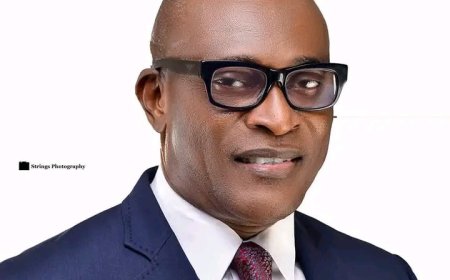
Lanre Ogundipe is a Public Affairs Analyst, Former President Nigeria Union of Journalists and Africa Union of Journalists, writes from Abuja.