










Oil Industry Stakeholders Urged to Chart a Better Future for the Niger Delta
By Solomon OKPO
Stakeholders in the oil industry has again been called upon to chat a better future for the Niger Delta using the cost benefits involve.
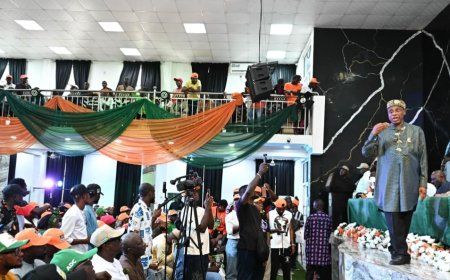
The state Governor His Excellency, Senator Douye Diri on Monday, joined former President Goodluck Jonathan and other leaders, to reflect on the cost and benefits of oil exploration in the Niger Delta with the call on the stakeholders to do the needful for the region.
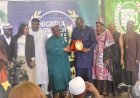
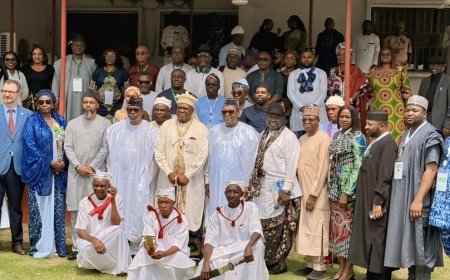
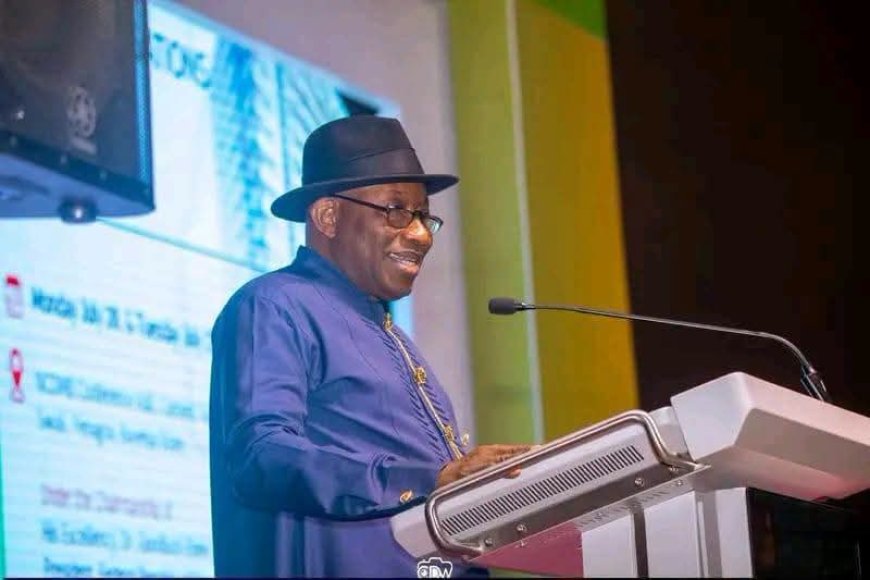
The leaders spoke at the opening of the 2026 Sweet Crude Dialogue held at the Conference Centre of the Nigerian Content Development and Monitoring Board, NCDMB, Towers in Yenagoa.
The dialogue, with the theme, “Through the Python’s Eye: 70 Years of Oil and Gas Production in Nigeria,” brought together industry players, the academia and top government functionaries.
Speaking during the session, the state Governor, His Excellency, Senator Douye Diri who was represented by his Deputy, Dr. Peter Akpe, decried the level of environmental degradation in the Niger Delta and called on well-meaning organizations to work towards achieving justice for the region.
Quoting the report of the defunct Archbishop John Sentamu-led Bayelsa State Oil and Environment Commission, the Governor said about 13 million barrels of crude were spilled in the region between 1958, when Nigeria made her first shipment of crude, and 2010.
Describing the Commission’s findings as “sobering,” he said the Chairman described what had happened to the state as “nothing short of an environmental genocide.”
The Governor urged De Mangrove Conversations and other environmental advocacy groups to collaborate with government to ensure the implementation of the recommendations of the Commission.
In his remarks, the hairman of the occasion, former President Federal Republic of Nigeria, Dr. Goodluck Jonathan said Nigeria could only make appreciable progress in the oil industry if most of the requirements for oil production were sourced locally.
He noted that mere export of crude oil would not lead to economic diversification or sufficient job creation.
Delivering the keynote address, Professor of Comparative Petroleum and International Law and Policy, Prof. Ibibia Worika, said 70 years of oil production had generated unprecedented wealth for Nigeria but also exposed structural weaknesses in governance.
Prof. Worika added that the Niger Delta, which bears the brunt of oil production, has little to show for its contribution, stressing that environmental justice for the region is “a constitutional, moral and developmental imperative.
According to him, "instead of serving as a catalyst for economic diversification, petroleum gradually replaced agriculture, weakened manufacturing and encouraged dependency on resource rent.
“The Niger Delta has always borne the burden of oil production. The tragedy of the Niger Delta reminds us that development cannot be measured by revenue generation alone. And that development must necessarily improve the wellbeing of the people as well as protect the environment,” he said.
The Governor of Delta State, Chief Sheriff Oborevwori, represented by his Chief of Staff, Prince Johnson Erijo, was among those who delivered goodwill messages at the two-day event.
The Dialogue also featured a plenary session with panelists including the Managing Director of the Niger Delta Development Commission, Chief Samuel Ogbuku, represented by Pastor James Oworibo; National Chairman of the Pan Niger Delta Forum, Dr. Godknows Boladei Igali, represented by Prof. Stephen Olali; Vice Chancellor of Bayelsa Medical University, Prof. Dimie Ogoina; Prof. Ibaba Samuel Ibaba of Niger Delta University; and Managing Director of NCDMB, Engr. Felix Ogbe, represented by Barr. Esueme Kikile.