














International Day Against Impunity: NUJ Demands End To Crimes Against Journalists
By Missang AKPET
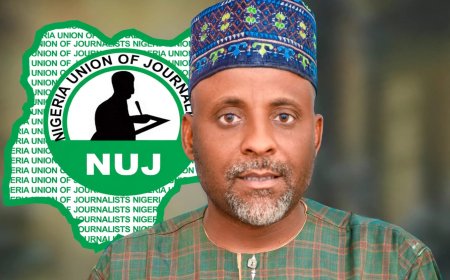
The Nigeria Union of Journalists, (NUJ), has called for an end to impunity for crimes committed against journalists in Nigeria, as the world marks the International Day to End Impunity for Crimes Against Journalists on November 2.
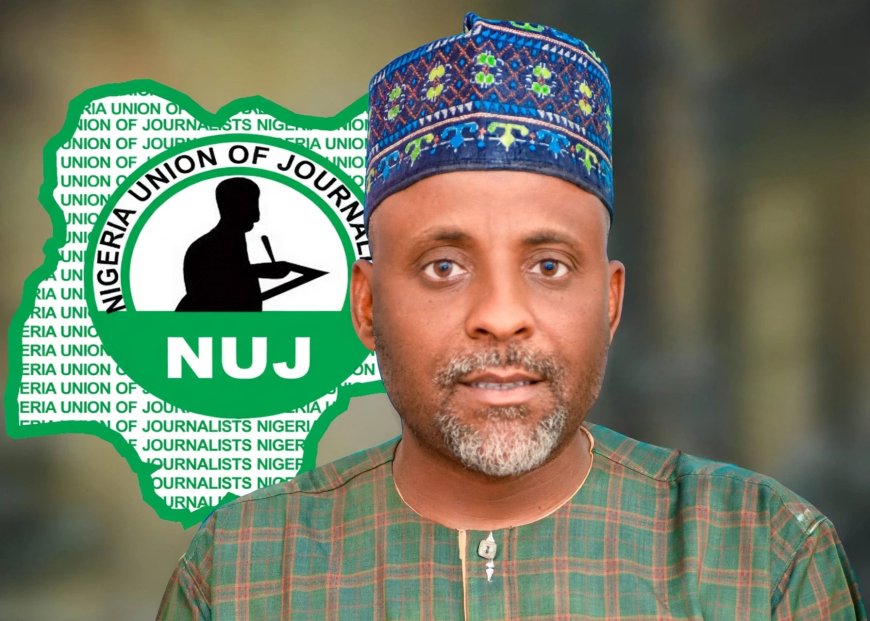
In a press statement issued on Monday, signed by its National President, Alhassan Yahya, the union said it stands in solidarity with media professionals across the nation and the world in defence of press freedom.
The NUJ reaffirmed its commitment to protecting media workers and advocating for justice for journalists who are targeted, harassed, detained, or harmed in the line of duty.
According to the union, journalism remains the bedrock of any thriving democracy, holding the powerful accountable, giving voice to the marginalised and ensuring the public's right to accurate information.
It lamented that journalists in Nigeria and and the world at large continue to face systemic intimidation, unlawful arrests, physical assault, cyberbullying and unprosecuted violence simply for fulfilling their constitutional responsibility.
"The impunity that surrounds crimes committed against journalists creates a chilling effect on democratic discourse and weakens the rule of law. When perpetrators of violence against news creators face no legal consequences, public trust in institutions is eroded," the statement read.
To mark the day, the NUJ called on all arms of government, security agencies and relevant institutions to thoroughly and transparently investigate all unresolved cases of harassment, attacks and unlawful detentions of journalists and ensure culprits are brought to justice reiterating that a threat to any journalist anywhere is a threat to democratic.
It however called for enforcement of legal frameworks that safeguard media professionals from arbitrary arrests and censorship while urging law enforcement agencies to recognise journalists as essential workers and democratic partners.
The union further called for collaboration with media organisations, civil society and international partners to establish effective safety protocols and emergency support networks for reporters in high-risk environments.