
























Eleos Hospital Brings Advanced Robotic Surgery to Abuja
By Ben GBOR
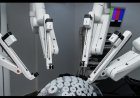
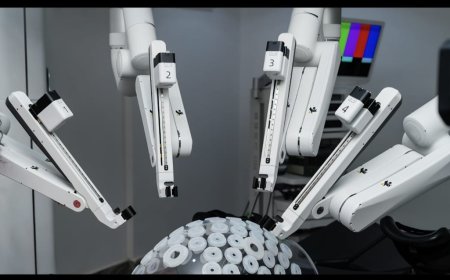
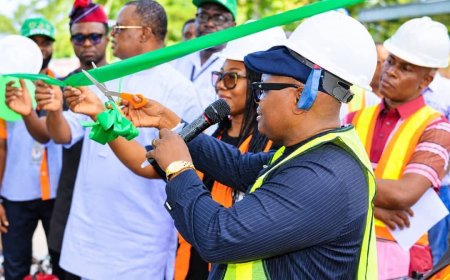
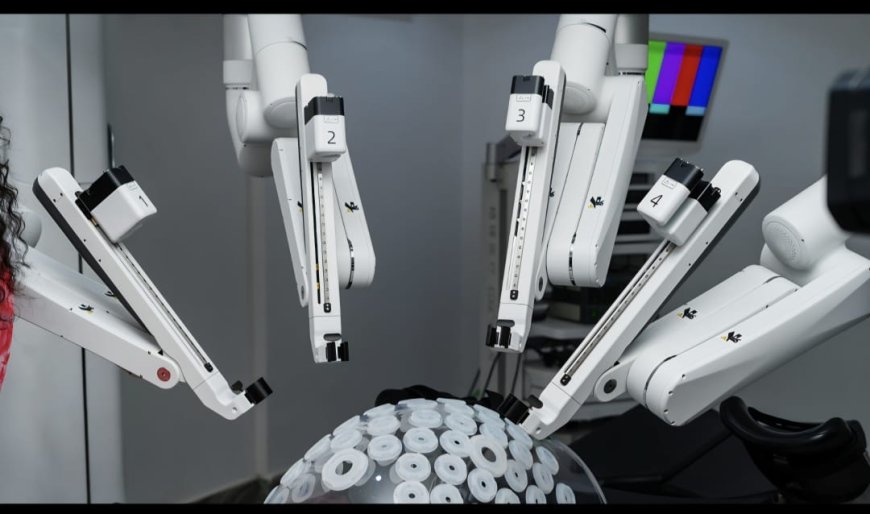
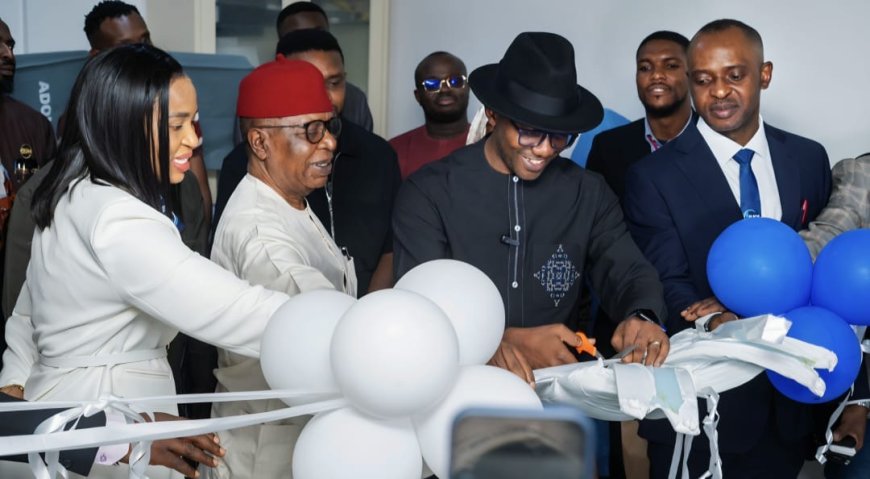
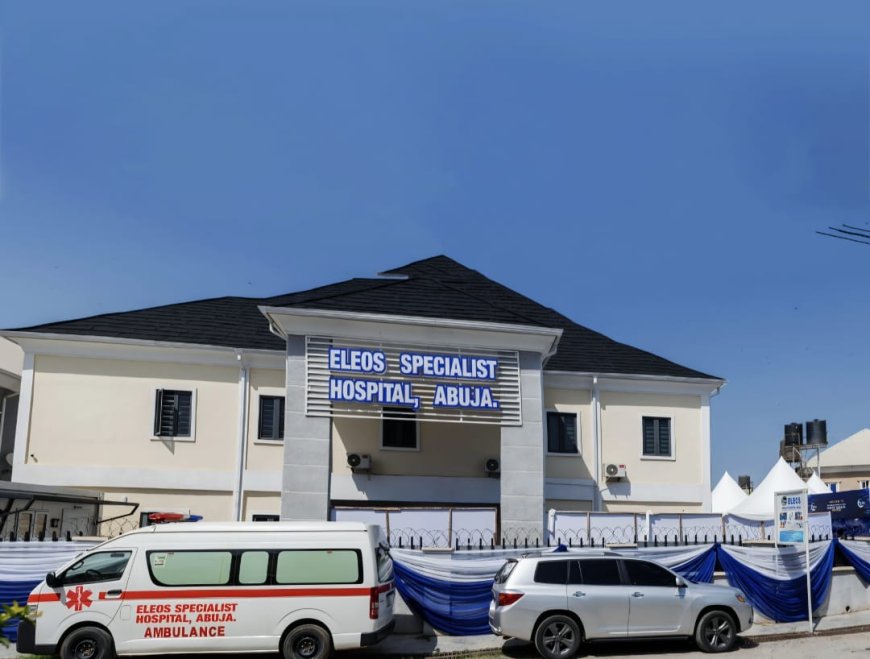
Nigeria’s quest to reduce medical tourism and expand access to specialised healthcare has received a boost with the commissioning of a Robotic Surgery Platform at Eleos Specialist Hospital, Abuja, the second of its kind in Northern Nigeria.
The facility is expected to strengthen the country’s capacity to undertake complex surgical procedures locally, reduce the need for patients to seek treatment overseas and provide opportunities for Nigerian medical professionals to acquire expertise in advanced surgical technology.
The Director-General of the National Health Insurance Authority (NHIA), Dr Kelechi Ohiri, who spoke through his representative, Professor Chima Ariel Onoka, described the investment as an important contribution to the development of Nigeria’s healthcare system.
Onoka, a Senior Special Adviser to the NHIA Director-General and Professor of Public Health and Health Systems Economics, commended the hospital for embracing medical innovation and investing in technology that could improve access to specialised surgical care.
He said the introduction of robotic-assisted surgery had both clinical and economic significance, particularly in addressing the huge financial resources Nigerians expend annually on medical treatment abroad.
According to him, billions of naira leave the country each year as patients travel overseas for complex urological and minimally invasive procedures, creating financial pressure on families and depriving local healthcare institutions of resources that could support their growth.
“By bringing this robotic platform to Abuja, Eleos Specialist Hospital is directly addressing this leak. We are shifting the narrative from capital flight to capital retention and positioning Nigeria as a hub for inbound medical tourism across West Africa,” Onoka said.
He explained that robotic-assisted surgery could offer patients important benefits, including reduced blood loss, fewer postoperative complications in appropriate cases and shorter hospital stays, thereby facilitating faster recovery and an earlier return to normal activities.
Beyond patient care, Onoka identified specialist training and local capacity development as important benefits of the investment, noting that Nigerian surgeons, nurses and biomedical engineers would have opportunities to develop the skills required to operate and sustain advanced medical equipment.
He, however, called for stronger health insurance coverage and innovative financing arrangements to ensure that access to advanced surgical procedures was not restricted to Nigerians who could afford to pay out-of-pocket.
The Deputy Speaker of the House of Representatives, Dr Benjamin Okezie Kalu, also welcomed the development, describing it as evidence of the contribution private-sector investment could make to modernising Nigeria’s healthcare infrastructure.
Kalu, represented by the Deputy Chairman of the House Committee on Health Institutions, Hon. Olumuyiwa Adesola Samuel Adedayo, said investment in modern medical equipment, specialist training and research was necessary to improve the country’s capacity to meet the healthcare needs of its population.
He urged Nigerian investors to support the establishment of more technologically advanced medical facilities, stressing that patients should be able to access quality specialised treatment at home without the additional costs and difficulties associated with travelling abroad.
Earlier, the Consultant Endourologist, Laparoscopic and Robotic Surgeon at the hospital, Dr Paul Eberechukwu Ngwu, said the decision to acquire the platform was informed by the need to bring the benefits of modern surgical technology closer to Nigerian patients.
He explained that robotic-assisted surgery gives surgeons enhanced precision, improved visualisation and greater control when performing selected complex procedures, particularly in urology.
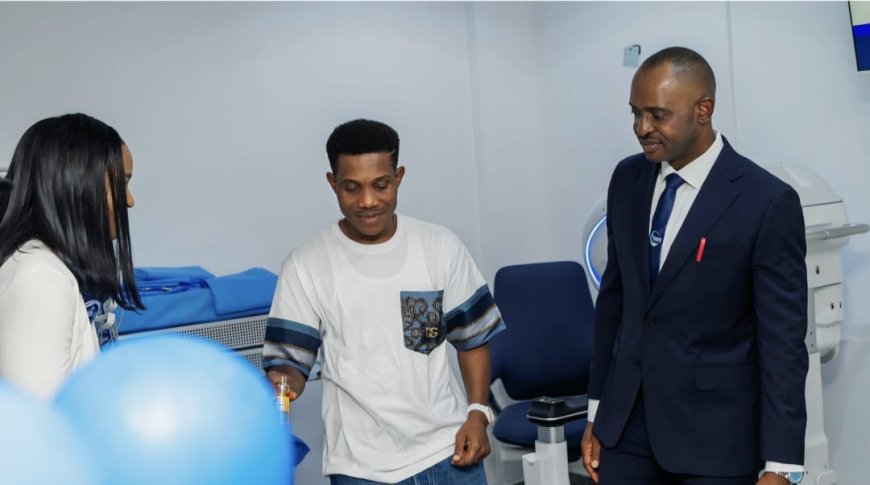
Ngwu said the hospital would combine the technology with specialist expertise, continuous training and strict attention to patient safety to ensure its effective application in surgical care.
The Managing Director of Eleos Specialist Hospital, Dr Mrs Victoria Ogechi Ngwu, said the commissioning reflected the institution’s determination to expand the frontiers of specialised healthcare through sustained investment in modern equipment and qualified medical personnel.
She noted that the hospital was committed to providing surgical services comparable to those available in leading medical centres internationally and would continue to pursue strategic partnerships to strengthen its capabilities.
A former Nigerian Ambassador to Hungary, Ambassador Eddy Onuoha, provided a practical account of the hospital’s capabilities, disclosing that he was referred to the facility from abroad and subsequently underwent successful robotic surgery there.
He described his experience as encouraging and expressed optimism that the availability of advanced surgical technology in Nigeria would gradually change the perception that quality specialised treatment could only be obtained overseas.
The robotic platform is designed to support selected complex surgical procedures, with particular application in urology, where enhanced visualisation and precision are important in minimally invasive operations.
Eleos Specialist Hospital provides a range of specialised urological services, including minimally invasive prostate surgery, endoscopic procedures and treatment of kidney and urinary tract stones. It also manages conditions such as benign prostate enlargement, prostate and bladder tumours, male infertility, erectile dysfunction and urinary incontinence.
With the commissioning, the hospital is adding to Nigeria’s growing pool of facilities offering advanced surgical interventions, while creating opportunities for local expertise, medical research and collaboration in specialised healthcare.