


























Falana, 16 Human Rights Lead Nationwide Protest for June 12
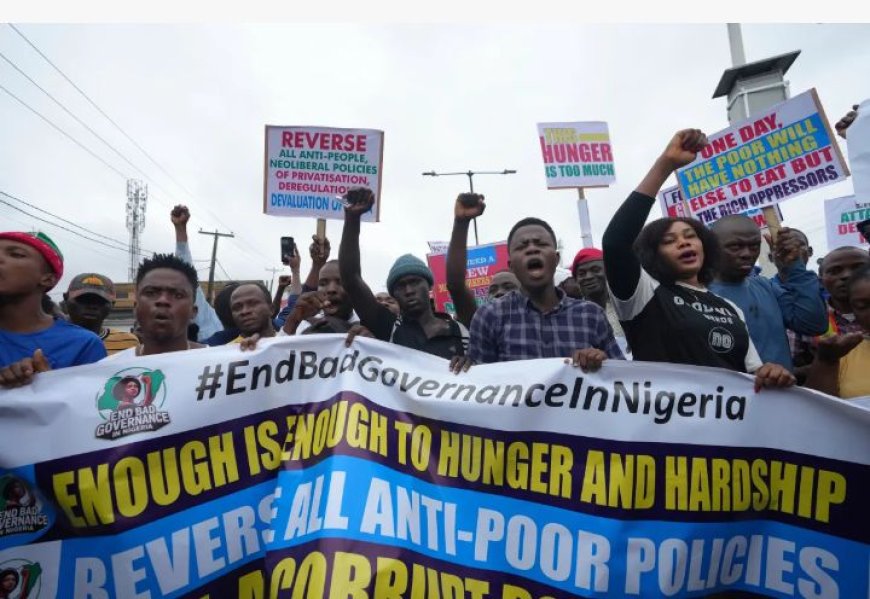
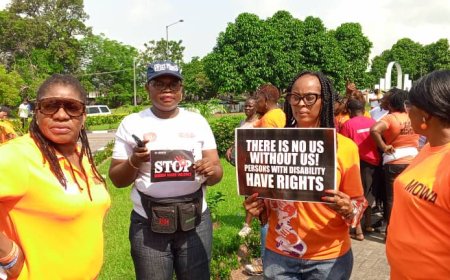
A nationwide protest has been scheduled for June 12 against worsening national insecurity, severe economic hardship, and a sharp drop in living standards across the federation.
Human rights lawyer and Senior Advocate of Nigeria, Femi Falana, has partnered with 16 civil society organizations to lead the mass mobilization.
The coalition—comprising trade unions, youth groups, social movements, and faith-based organizations—noted that the demonstration is timed to coincide with Nigeria’s annual Democracy Day.
Recall that the date was designated by the federal government to honor Chief MKO Abiola, the presumed winner of the annulled June 12, 1993, presidential election.
According to the organizers, widespread administrative failures leave ordinary citizens with nothing to celebrate on this anniversary.
A joint statement signed by Falana in his capacity as National Chairman of the Alliance on Surviving COVID-19 and Beyond (ASCAB), alongside Hassan Taiwo Soweto of the Lagos State #EndBadGovernance Movement and Yinka Folarin, National President of the Committee for the Defence of Human Rights (CDHR), expressed deep concern over the expansion of insecurity in the country.
The leaders observed that entire communities are currently subjected to continuous trauma from unpunished banditry, terrorism, and mass abductions.
“Innocent Nigerians are being killed, abducted, displaced and traumatized while government responses have remained largely inadequate and ineffective. We express solidarity with families of victims of terrorism, banditry and kidnapping across the country. We demand immediate and concrete action to secure the release of all Nigerians held captive by criminal groups in Oyo, Borno, Katsina, Kwara, Ekiti, Zamfara, Kaduna, Niger and other states where citizens have been abducted. The Nigerian people deserve a pro-people government that places protection of lives and property at the core of governance.”
The organizers criticized official security narratives, arguing that promises of safety have been consistently contradicted by the realities faced by rural farmers, commuters, and schoolchildren.
The declaration attributed the country’s severe economic crisis directly to the neoliberal policies introduced under President Bola Tinubu’s administration. The statement detailed the negative impacts of currency devaluation, electricity tariff increases, and the removal of the petroleum subsidy, noting that these measures have triggered historic food inflation and crippled small businesses despite increased statutory allocations to state governments.