




















Otu, Michael Restoring Obudu Ranch to Premium Tourism Destination
By Isaac Aqua
There are places that are more than geographical locations. They become part of a people’s identity, heritage and collective imagination. Obudu Ranch Resort is one such place.
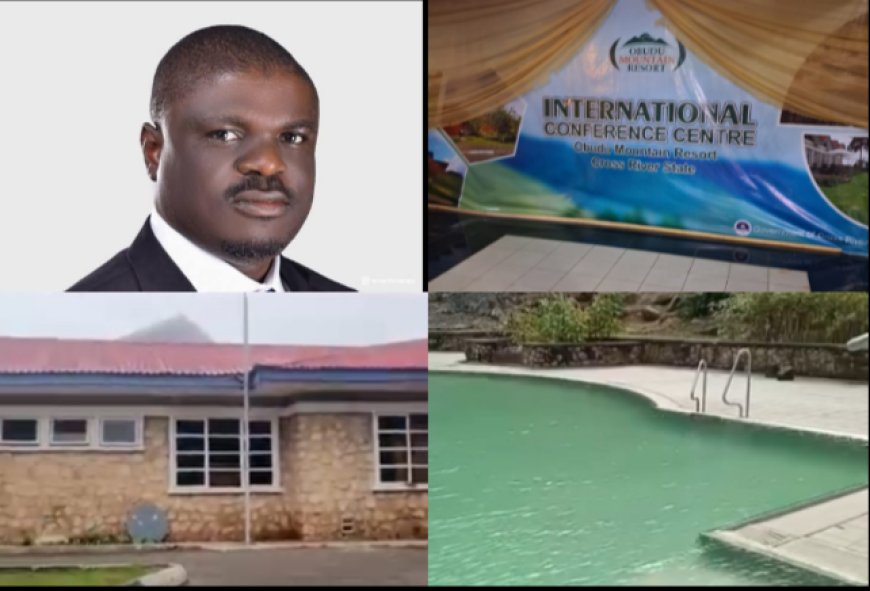
For decades, the iconic mountain resort stood as one of Cross River State’s greatest tourism assets and one of Nigeria’s most recognised destinations. Its breathtaking landscape, cool climate and unique attractions once drew visitors from across Nigeria and beyond. But years of neglect and deteriorating infrastructure gradually diminished its glory.
Today, however, there is renewed hope that the story of the Obudu Ranch Resort is changing.
Governor Bassey Otu’s decision to prioritise the revival of the Ranch represents an important step towards restoring one of Cross River’s most valuable assets. His administration’s approach reflects a broader vision of repositioning the state as a leading destination for tourism, investment, conservation and sustainable economic development.
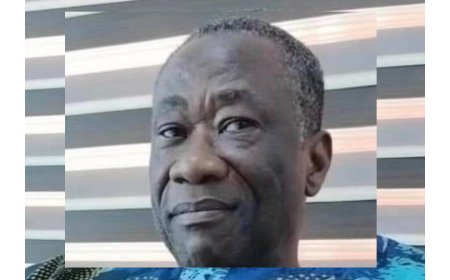
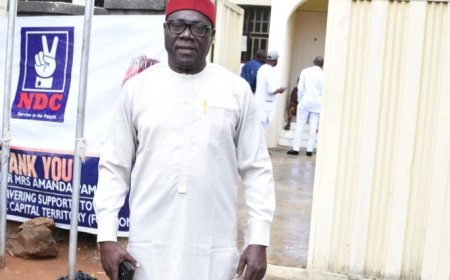
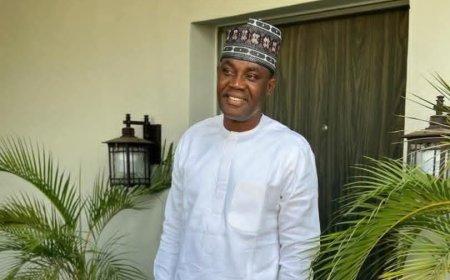
But such a vision requires more than political commitment. It requires people who can translate policy into action through persistent engagement, coordination and problem solving. This is where the role of the Special Adviser to the Governor on Obudu Ranch Resort, Mr Sunday Michael, becomes significant.
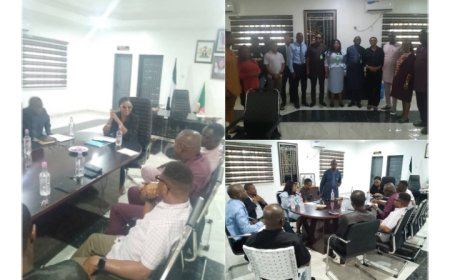
Michael has emerged as an important link between the Governor’s office, government institutions, prospective investors, host communities and other stakeholders involved in the Ranch’s revival. His assignment involves navigating the complex processes required to reposition a major public asset and ensure that the Governor’s vision moves beyond policy statements to practical implementation.
One of the major milestones in this process is the concession of the Obudu Ranch Resort to Living Curation Real Estate Limited. The concession followed sustained engagements and negotiations aimed at attracting the capital, expertise and operational capacity required to restore the facility.
The concession, however, should not be regarded as the conclusion of the revival process. It is the beginning of an even more important phase.
The real measure of success will be seen in improved infrastructure, modern hospitality facilities, better accessibility, enhanced conservation, quality service and a visitor experience capable of competing with leading tourism destinations.
It is equally important to make clear that the Ranch remains a public asset. The private partner is expected to bring investment and expertise within the agreed concession framework, while government retains its responsibility to protect the public interest.
The wider development plans are equally encouraging. The rehabilitation of the Bebi Airstrip, redevelopment of the Utanga Safari Lodge, improvement of access infrastructure and development of additional tourism and conservation attractions could transform the Obudu axis into a vibrant, all year round tourism destination.
The economic impact could be substantial.
A revitalised Obudu Ranch would create opportunities not only within the resort but across surrounding communities and the wider Cross River economy. Farmers could supply hospitality businesses. Artisans could benefit from increased demand for local products. Transport operators, tour guides, traders and young entrepreneurs could experience increased economic activity.
For host communities in Obanliku and surrounding areas, the revival could provide jobs, stimulate small businesses and create new opportunities for local participation in the tourism value chain.
This is why the role of Sunday Michael deserves recognition. Public projects are often judged by what eventually becomes visible to the public, but behind every successful project are months and sometimes years of planning, negotiation, coordination and stakeholder engagement.
Michael’s role in sustaining the Obudu conversation and helping to align stakeholders with the Governor’s vision demonstrates the importance of focused leadership in the revival of the Ranch.
Yet the task ahead remains considerable.
The concession must be implemented transparently. Rehabilitation must meet agreed standards. Host communities must be meaningfully carried along. Environmental conservation must remain central to development plans, while the economic benefits of the project must extend beyond the resort itself.
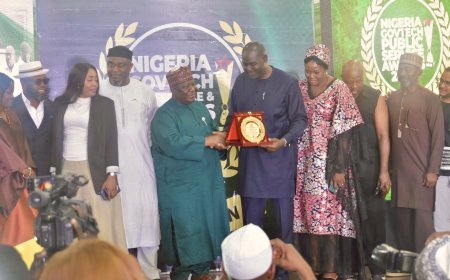
Governor Otu deserves commendation for choosing to confront the challenges surrounding the Ranch rather than allowing the facility to continue its decline. The decision to pursue a sustainable pathway for its revival could prove to be one of the administration’s most important contributions to Cross River’s tourism economy.
But the success of the Obudu project will ultimately depend on sustained commitment and effective implementation.
The Ranch is not merely a hotel or tourist attraction. It is a symbol of Cross River’s tourism heritage and a potential engine of economic diversification.
With the right investment, management and government oversight, Obudu can once again occupy its rightful position as a premium tourism destination, attracting visitors, investors and businesses while creating opportunities for the people.
In this emerging story, Governor Otu provides the political vision, while officials such as Sunday Michael have the responsibility of helping to translate that vision into reality.
The challenge now is to ensure that the renewed attention on Obudu produces lasting results.
The crown jewel has been given another opportunity to shine. What matters is that Cross River sustains the momentum, protects the public interest and delivers a tourism destination worthy of its extraordinary potential.