









Nigeria @ 66: Development Not Commensurate With Potential

By Missang AKPET
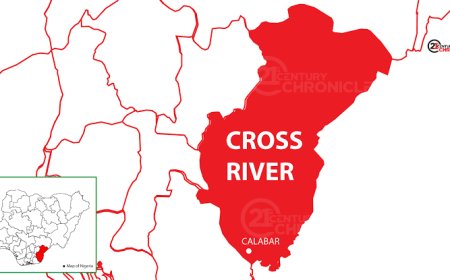
As Nigeria marks her 66th Independence anniversary, notable Cross Riverians have said the country has not fared well in terms of development.
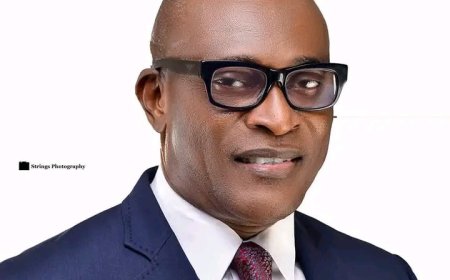
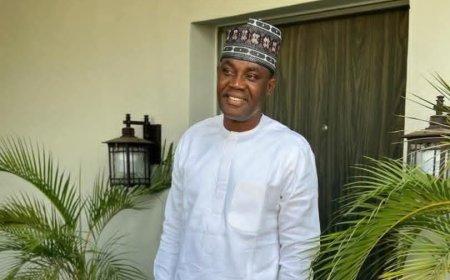
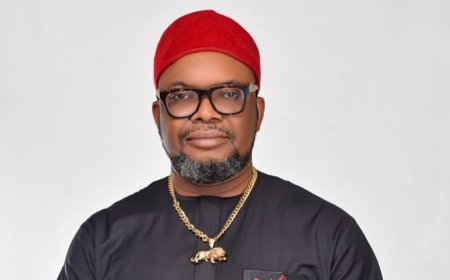
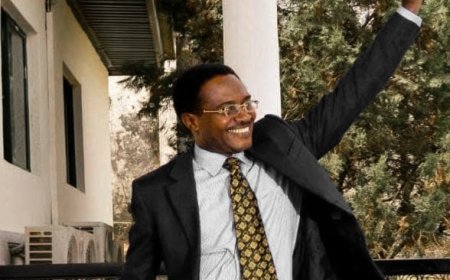
Speaking on the state of the nation, Barr. Joe Edet, a legal luminary, academician and politician noted that while Nigeria has made some progress, its development does not match its enormous potential.
"Nigeria has made important progress since independence, but its overall development is not commensurate with its enormous human and natural resources. Poverty remains widespread, infrastructure and public services remain inadequate, and Nigeria ranked 164th on the UNDP's 2025 Human Development Index," he said.
"The central problem bedeviling us is weak governance and institutions manifested over decades in corruption, poor policy implementation, lack of continuity, insecurity, weak accountability and the failure to translate public resources into measurable improvements in citizens' lives," Edet stated.
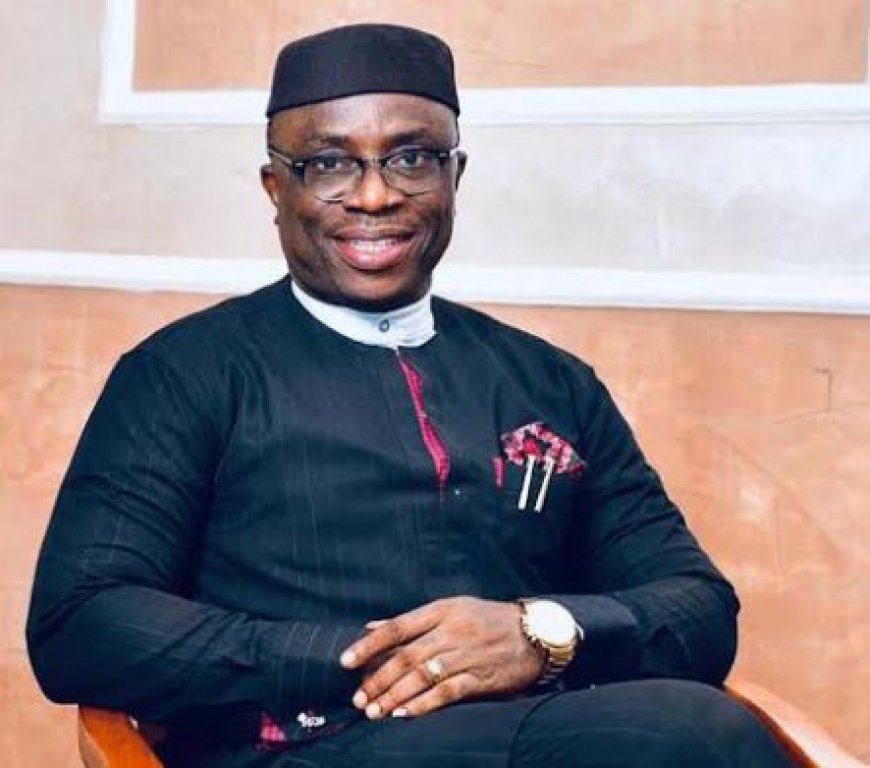
He added that Nigeria needed stronger institutions rather than strong personalities, consistent investment in education, healthcare, electricity, diversification beyond oil, and policies that create jobs.
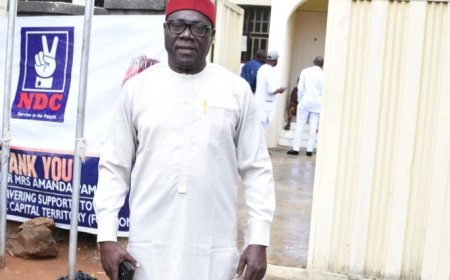
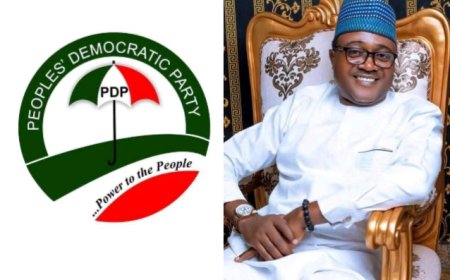
In a similar vein, Austin Ibok, a stalwart of the African Democratic Congress (ADC), on his part said Nigeria's development is not commensurate with its age.
While acknowledging progress in telecommunications, banking, technology and democracy, he said challenges in electricity, education, healthcare, security, infrastructure, employment and poverty persist.
He however blamed bad leadership and corruption as the major tools of Nigeria's failure.
"At 66, Nigeria's level of development is not commensurate with its enormous human and natural resources or with what should reasonably be expected of a country of this age".
"Our problem is not simply a lack of resources; it is largely how those resources have been managed. Poor leadership has resulted in inconsistent policies, weak institutions, misplaced priorities and inadequate long-term planning."

Ibok called for a shift from politics of personalities to politics of institutions stating that Nigeria needs leadership that thinks beyond one electoral cycle and develops clear national plans that successive administrations improve upon rather than discard.
"We must strengthen institutions, make public officials genuinely accountable, and invest massively in human capital."
"At 66, therefore, Nigeria should not merely be asking, 'How far have we come?' We should be asking, 'Why have we not gone further, despite everything we have been given?'" he added.
As Nigeria turns 66, the celebration must go beyond ceremonies and speeches to genuine soul-searching.
The future will depend on whether Nigerians can demand accountability, build stronger institutions and finally close the long-standing gap between the country's enormous potential and its lived reality.