
















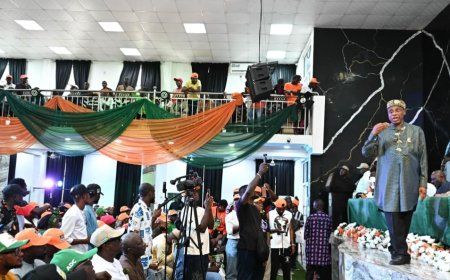




FG Advances Inclusive National Soil Health Policy at South-South Zonal Validation
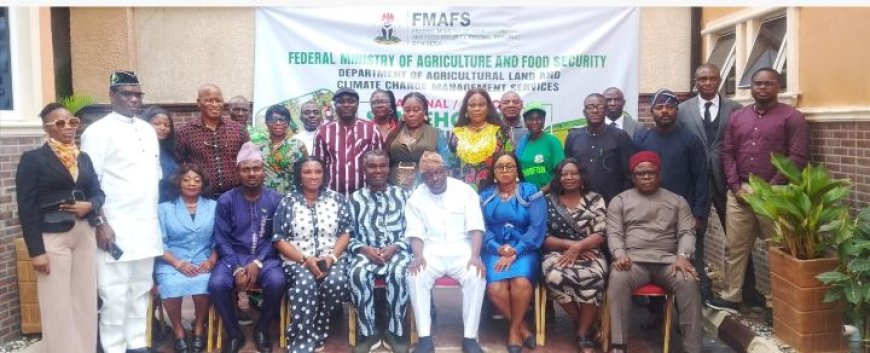
Nigeria's Federal Ministry of Agriculture and Food Security through its Agricultural Land and Climate Change Management Services (ALCCMS) has unveiled new measures to address soil health and climate change management, strengthen agricultural productivity and promote the sustainable management of agricultural land at sub-national levels across the country.
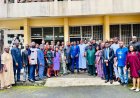
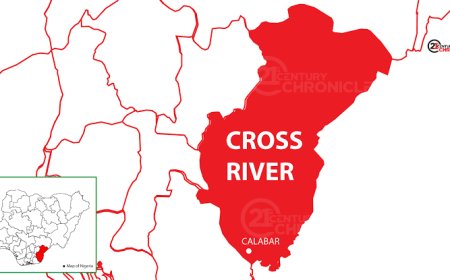
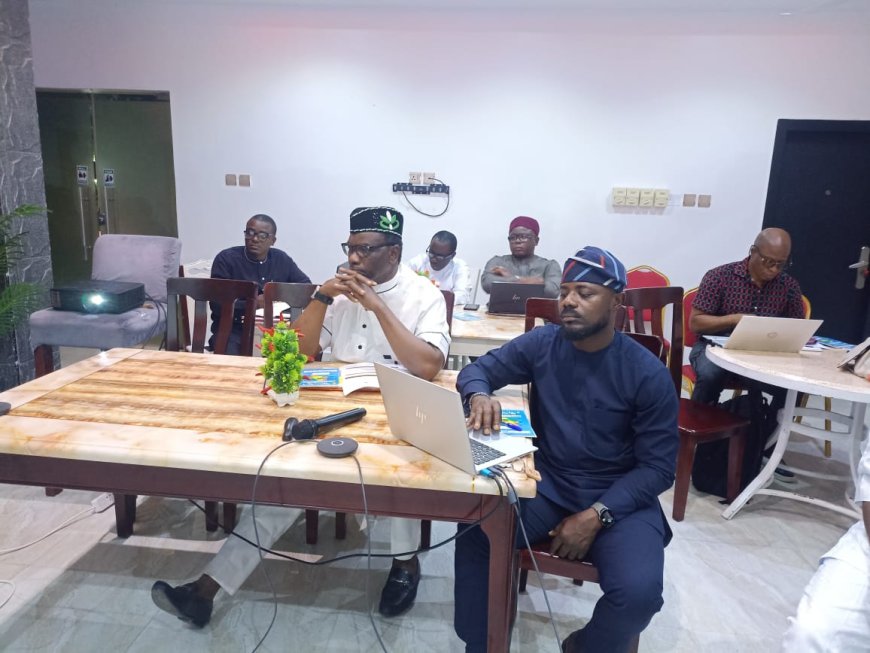
This was disclosed on Tuesday in Calabar, Cross River State, during a two-day Zonal Validation Workshop on Nigeria Agricultural Land and Soil Management Policy (NALSMP) for 2027- 2035 which brought stakeholders across the South-South Geo-political Zone together.
Welcoming participants from Edo, Delta, Bayelsa, Rivers and Akwa Ibom States, the Cross River State Commissioner For Agriculture, Johnson Ebokpo represented by the Chairman Cross River State Multi-stakeholder Committee for Cocoa, Coffee and Oilpalm Strategic Plan Development in the state, Prof Susan Cohen.
The commissioner stated that, "Cross River State has carried out innovation in several areas in Agriculture and has put together a digital soil map in the agro sector. The state has put so much in agriculture and it is very exciting for Cross River State to be selected by the Federal Government for the zonal validation workshop".
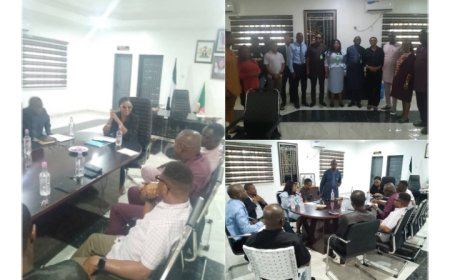
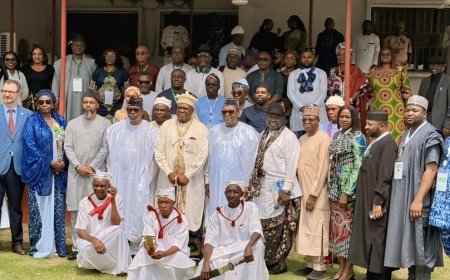
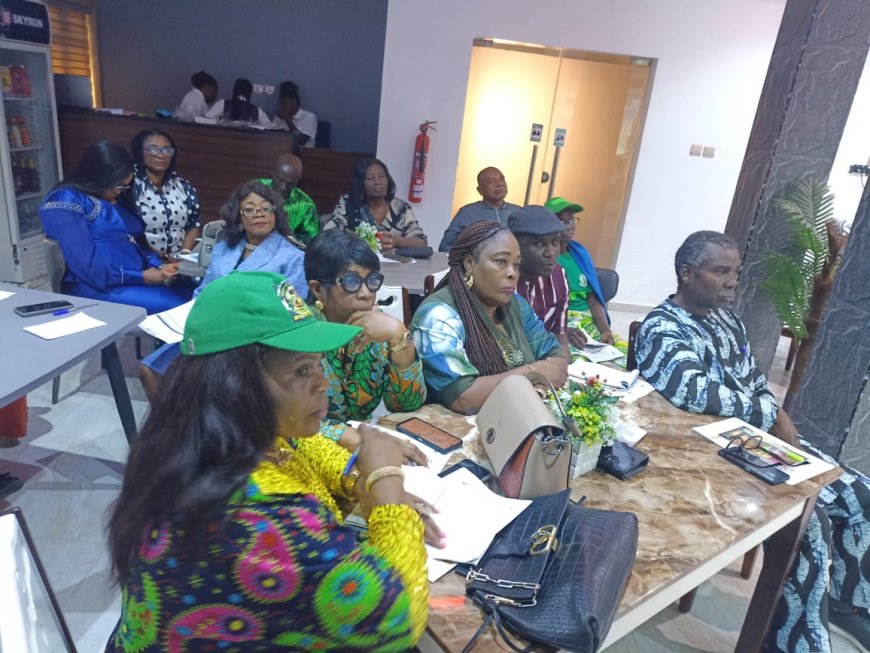
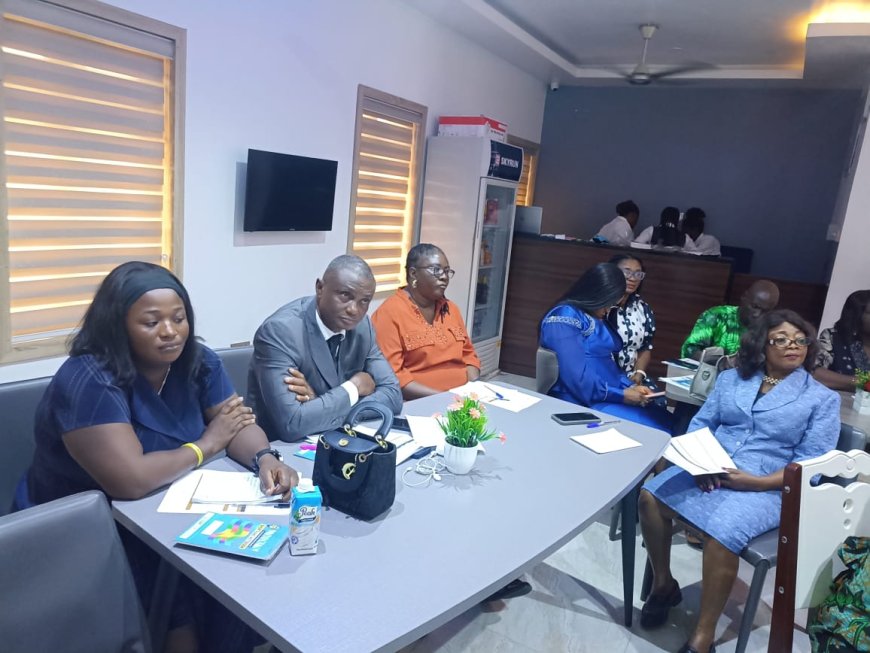
The consultative forum focused on Nigeria's Agricultural Land and Soil Management Policy with stakeholders from the Federal Government, State Ministries of Agriculture, representatives, development partners, state coordinators, members of academia and research institutions, representatives from All Farmers Association of Nigeria (AFAN) and Small Scale Women Farmers Organisation in Nigeria (SWOFON),Fertilizer Blenders, Civil Society Organizations and the media gathered to advance the proposed policy framework.
Declaring the forum open, the Director of Agricultural Land and Climate Change Management Services (ALCCMS), Olanipekun Oshadiya, represented by the Chief Land Resource Officer in the ministry, Oyegoke Afolabi, said the meeting marked an important step in translating Nigeria’s emerging soil health agenda into a comprehensive and inclusive national policy.
According to him, the forum builds on an earlier consultative meeting held in Abuja where a zero draft of the Nigeria Agricultural Land and Soil Management Policy was presented, revised, harmonised and validated. The regional meeting in Calabar was designed to deepen stakeholder participation and secure sub-national input into the final policy document.
The Director stressed that states in the South-South have a critical role to play in enhancing soil health and climate change management because they are the custodians of land and will be central to the successful domestication and implementation of the policy including its integration into state budgets.
"The primary purpose of today’s gathering is to disseminate the same policy document to you, ensuring your contributions, endorsement and validation of the document at sub-national levels. As the custodians of land, the states play a crucial role in the successful domestication and inclusion of this initiative in the budget, which largely depends on your full participation."
He noted that agricultural land and healthy soils are vital national assets that underpin food security, economic development, environmental sustainability and rural livelihoods.
It said a major highlight of Nigeria’s progress is the Nigerian Farmers Soil Health Scheme (NFSHS), launched in October 2025 to promote technology-driven, site- and crop-specific fertilizer recommendations.
The Director also affirmed ministry's efforts have witnessed substantial progress, given its commitment, teamwork and partnerships with development partners such as the GIZ, the Gates Foundation, the World Bank’s ACReSAL Project, Special Agro Industrial Processing Zone (SAPZ), Soil Values, Regional Hub, OCP Africa, AGRA, Sasakawa Africa Association, Evergreen and others, which have yielded results.
Similarly , the FG also highlighted the development of the Nigeria Soil Information System (NiSIS), which is expected to bring soil data and digital agricultural advisories closer to farmers at the Local Government Area level.
"The provision of modern laboratory equipment in 15 states and more will revitalize soil testing laboratories across all 36 states and the FCT.
"Additionally, we will retrain every Agricultural Development Program (ADP) agent on soil health diagnostics, as a farmer without knowledge of soil is essentially farming without a clear vision."
Through the system, farmers are expected to receive tailored information on soil pH, organic matter and fertilizer recommendations specific to their farms alongside weather information.
Other milestones include the integration of the Nigerian Farmers Soil Health Scheme into the ECOWAS Regional Fertilizer Hub and a partnership with the Bill & Melinda Gates Foundation on the GP Soil Matters initiative in Nigeria.
The address at the soil validation workshop attributed the progress recorded by the Ministry to collaboration with development partners and stakeholders, including GIZ, the Gates Foundation, the World Bank’s Agro-Climatic Resilience in Semi-AridvLandscapes (ACRESAL) Project, SAPZ, Soil Values, Regional Hub, OCP Africa, AGRA, Sasakawa Africa Association, Evergreen and others.
He further disclosed that the Coalition of the Willing (CoW), established in collaboration at the sub-national level, is providing a platform for stakeholders to work together and serves as an entry point for the GP Soil Matters initiative in Nigeria.
He asserted that the growing interest from new partners is a further indication of the momentum behind Nigeria’s soil health and sustainable agricultural land management agenda.
He however emphasised that the ministry is now focused on institutionalising the Nigerian Farmers Soil Health Scheme and developing a comprehensive, evidence-based Agricultural Land and Soil Management Policy to support its long term implementation with a view to providing a strategic framework for the sustainable use, protection, restoration and governance of Nigeria’s agricultural land resources.
Similarly , he affirmed that this will address institutional coordination, legislative backing, financing, capacity building and stakeholder engagement and creating a stronger foundation for sustainable agricultural development.
The clear-eyed vision of the two-day consultative forum, holding between Tuesday, 11 and Wednesday, 12 August, is expected to brainstorm on sustainable land use planning and administration, soil fertility management and restoration, climate-smart and conservation agriculture practices, erosion control and watershed management. The forum is also expected to discuss land degradation neutrality, access to agricultural land for women and youth, as well as institutional coordination, financing and monitoring.
While expressing optimism that the consultative forum will deliver meaningful outcomes in line with its objectives, Afolabi urged participants to contribute practical experiences, identify regional priorities and put forward actionable recommendations that would strengthen the final policy document of the ministry.
In the same vein, Prof James Jayeoba the keynote Speaker and lead Consultant to Agricultural Land and Climate Change Management Services (ALCCMS) reeled out the processes, objectives and expected outcome. Prof Jayeoba explained that land degradation and soil fertility based on each zone's peculiarity requires soil validation which is the essence of the zonal validation for inputs from all stakeholders.
"Nigeria has a unique soil diversity and the intention is to design a policy to address agro ecological diversity. The policy is being propelled by the federal government to promote and institutionalise the sustainable management, conversation and restoration".
Participants were drawn from the six states in the South South and they include; Mrs Tomma Oruye representing the Commissioner for Agriculture in Rivers State, Mrs Sampson Maddy George, Cross River State Coordinator of the Zonal Validation Workshop, Jude Obi, Secretary of Soil Science Society of Nigeria and Dr Louis Enaberue from the SAPZ among other participants.