















Over 30 Stakeholders Trained in Community-Led TB Monitoring to Boost Detection, Service Quality in C' River
By Missang AKPET
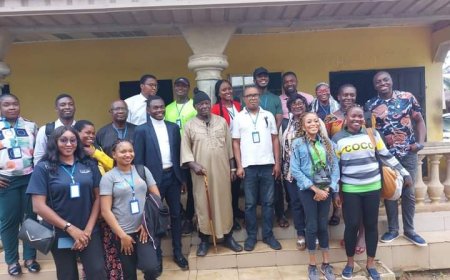
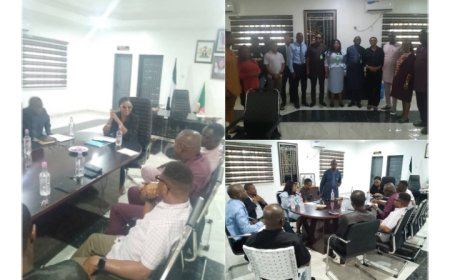
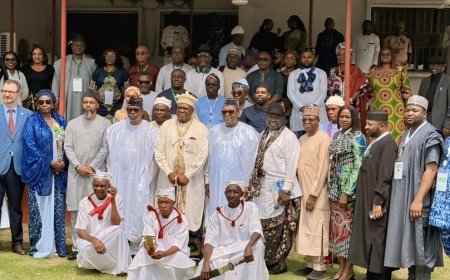
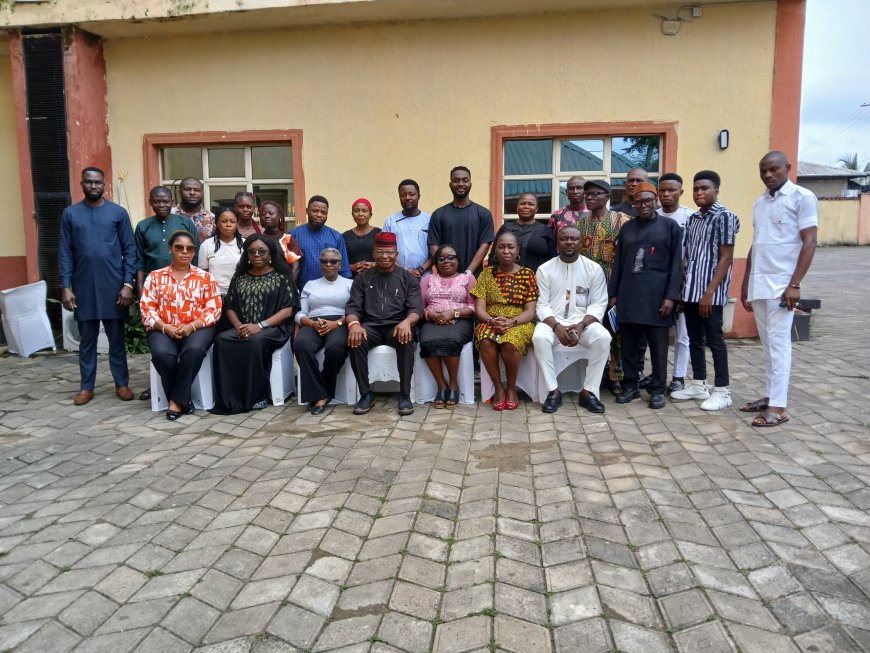
In a renewed drive to strengthen community participation and accountability in the fight against tuberculosis (TB), over 30 stakeholders drawn from civil society organizations, TB survivors and community-based groups in Cross River State have been trained on Community-Led Monitoring (CLM) of TB services.
The two-day start-up training was organized by the Civil Society for the Eradication of Tuberculosis in Nigeria (TB Network) with support from the Global Fund, through the Institute of Human Virology Nigeria (IHVN). The training is part of a national pilot project being implemented in 11 states, including Cross River State, and will run until 2026.
The National Coordinator of the Civil Society for the Control of Tuberculosis in Nigeria (TB Network), Mrs. Olayide Akanni, said the CLM model is designed to place communities at the centre of service delivery improvement.
According to her, three Local Government Areas — Odukpani, Ikom and Obudu — have been selected for the pilot phase in Cross River State. The LGAs, strategically drawn from the three senatorial districts, were chosen based on TB burden and accessibility indicators.
She explained that the project seeks to strengthen the feedback loop between service users and providers by empowering community monitors to collect real-time data on service delivery, stigma and human rights concerns, which will be used to inform corrective actions.
In an interview, the Cross River State Programme Manager for Tuberculosis, Leprosy and Buruli Ulcer Control, Elder Mrs. Ajom Ikongha, commended the initiative, describing it as “an extra cap” added to the state’s TB response.
Also speaking, the representative of the International Federation of Women Lawyers (FIDA), Barr. Ann Awah, highlighted the intersection between health, rights and gender, stressing that TB survivors, especially women, must be empowered to speak out without fear of discrimination.
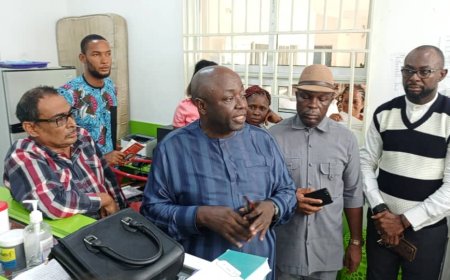
Participants were trained on data collection tools, community feedback systems, advocacy engagement techniques, human rights and types of violations, as well as the role of data in monitoring abuses. They also developed a state-level monitoring plan to ensure that findings from the field are translated into actionable steps for system improvement.
Described by participants as a practical and inclusive approach to public health accountability, the training is expected to boost TB case notification, enhance service quality and build trust between communities and health facilities in Cross River State.