







CLEAN ENERGY: Ekperikpe Ekpo Empowers 3,000 Akwa Ibom Women, Distributes 27,000 LPG Cylinders
By Imoh Essien (Uyo)
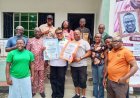
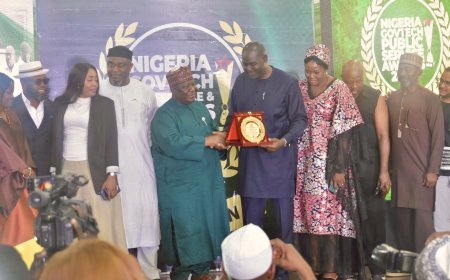
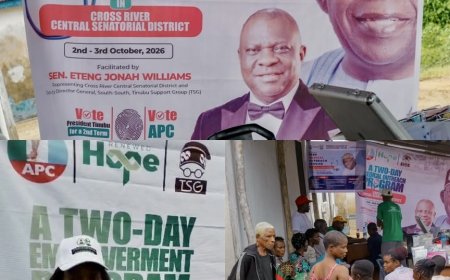
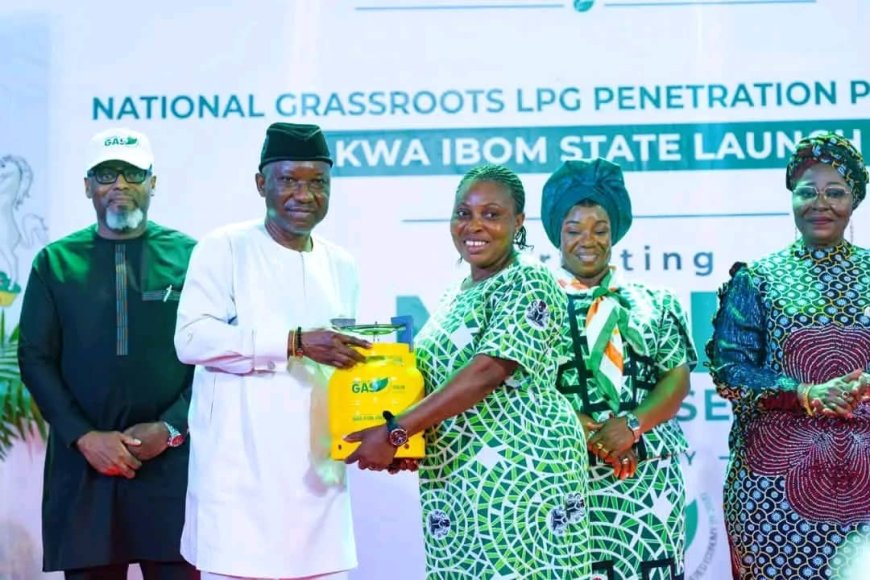
It was a moment of excitement and gratitude in Uyo on Thursday, as the Minister of State Petroleum Resources (Gas), Rt. Hon. (Obongemem) Ekperikpe Ekpo, empowered 3,000 women in Akwa Ibom State with business support aimed at strengthening their livelihoods, expanding their enterprises and improving household incomes.
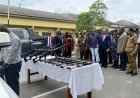
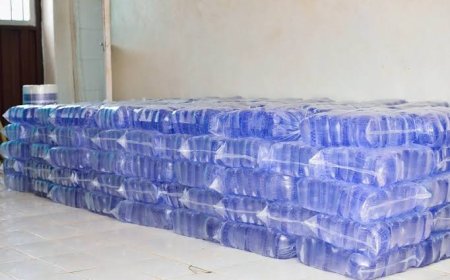
The initiative also featured the launch of the National Grassroots LPG Penetration Programme under the Decade of Gas Initiative, with 27,000 LPG cylinders earmarked for distribution to beneficiaries across the state to promote access to cleaner, safer and more affordable cooking energy.
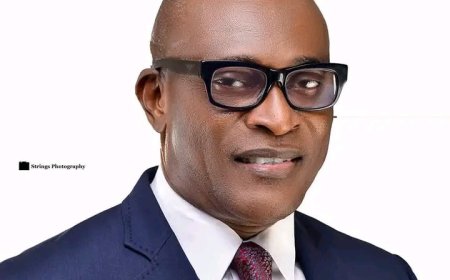
Speaking at the event, Ekpo said the empowerment programme was a practical investment in families and communities, noting the central role women play in sustaining households and driving grassroots economic activity.
“When women are empowered, families are strengthened; when families are strengthened, communities prosper; and when communities prosper, the nation advances,” the Minister said.
Under the empowerment scheme, each of the 3,000 beneficiaries will receive ₦100,000, which can be used to expand their businesses, support their families and invest in the second planting season to boost food production, household income and rural employment.
“It is more than a grant; it is a clear statement that this administration believes in the enterprise, resilience and leadership of Nigerian women,” Ekpo said.
On the LPG initiative, the Minister said the distribution of 27,000 cylinders would help households move away from firewood, charcoal, kerosene and other traditional fuels to cleaner and safer cooking energy.
He described the programme as part of the Federal Government’s broader effort to expand domestic gas utilisation while improving the wellbeing of Nigerians.
Ekpo further announced that beneficiaries would receive support for six cylinder refills, with refill points to be established across the state’s 31 local government areas and located close to beneficiaries.
According to him, the arrangement is designed to make clean cooking a sustainable household practice rather than a one-off intervention.
The Minister said the programme has a national target of reaching five million homes by 2030, adding that Akwa Ibom was the second state to benefit from the state-level activation, after Bayelsa.
Ekpo called on beneficiaries and stakeholders to take ownership of the initiatives, stressing the importance of safety, responsible use and reliable refill systems.
“The success of this programme cannot wait for tomorrow. It requires action now—partnerships that deliver, mobilisation that reaches the grassroots, safety education that protects families, financing that supports enterprise, refill systems that remain reliable, and community trust that is built and sustained,” he said.
Also speaking, Akwa Ibom State Governor, Pastor Umo Eno, commended Ekpo for the initiative, describing it as a life-changing intervention that would improve the lives and livelihoods of the beneficiaries.
He said his administration would continue to provide infrastructure and an enabling environment for businesses to thrive, noting that Akwa Ibom was increasingly becoming a destination for gas-based investments.
In his address, the Coordinator of the Decade of Gas Secretariat, Mr Ed Ubong, said the 27,000 LPG cylinders allocated to Akwa Ibom would be distributed to verified beneficiaries, with refill points established in each local government area and located close to the people.
One of the beneficiaries from Itu Local Government Area, expressed appreciation to the Minister for the intervention, saying the grant would enable her expand her business, while the LPG cylinder would help her adopt a cleaner and safer cooking method.
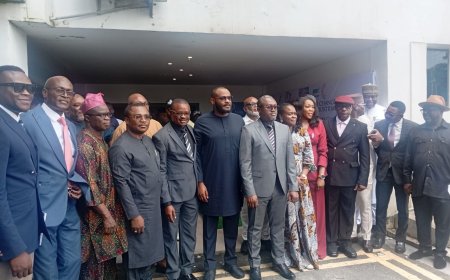
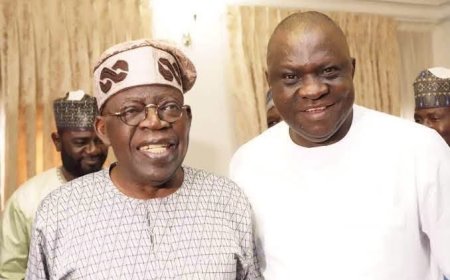
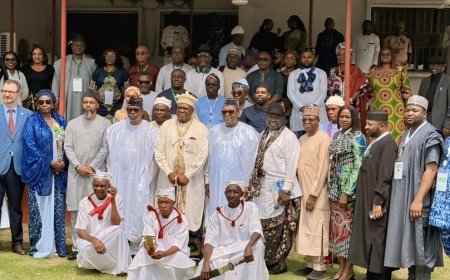
The event was attended by the Senate President, Senator Godswill Akpabio, who was represented by his wife, Mrs Ekaette Unoma Akpabio; the Deputy Governor, Senator Akon Eyakenyi; members of the State House of Assembly; members of the State Executive Council; top officials from the petroleum industry; traditional rulers; political leaders; community leaders; and representatives of women and youth groups.